Understanding the Vital Role of Nut-Free Lunches in Student Wellbeing
Why Are Nut-Free Lunches Crucial for Safeguarding Students with Allergies?

Implementing nut-free lunches is essential for nurturing a safe and supportive educational environment for all students, especially those living with severe allergies. Nut allergies can provoke life-threatening reactions such as anaphylaxis, which can be fatal without prompt medical attention. By advocating for nut-free lunches, schools significantly diminish the likelihood of allergic incidents, allowing every child to concentrate on their studies without apprehension. This proactive measure not only safeguards individual health but also enhances feelings of belonging and acceptance, ensuring that no child feels excluded due to their dietary restrictions.
Moreover, recognising the significance of nut-free lunches extends beyond mere safety protocols. This initiative fosters a culture of empathy and awareness among students. As children learn to respect their peers' dietary limitations, they cultivate compassion and an appreciation for diversity. Schools that adopt nut-free policies convey an impactful message about community support and safety, setting a standard for other inclusive practices within the educational framework.
What Common Nut Allergens Must Be Removed from School Lunches?
Identifying prevalent nut allergens is essential for creating a secure school environment. The most common culprits include peanuts and tree nuts, such as almonds, walnuts, cashews, hazelnuts, pecans, pistachios, and Brazil nuts, along with their derivatives. These allergens can frequently be hidden in numerous food products, often appearing in unexpected forms, making constant vigilance indispensable.
To ensure a safe atmosphere, educating parents and students about these allergens is critical. For instance, many snack bars, granola bars, and specific baked goods may contain nuts or nut oils. Awareness should also extend to salad dressings, sauces, and pre-packaged foods where nuts could be present. By informing the entire school community about what to avoid, we can substantially mitigate the risk of exposure and promote a safer environment.
What Are the Advantages of Establishing a Nut-Free School Environment?
Creating a nut-free school setting remarkably enhances student health and diminishes emergency situations. Schools that enforce nut-free policies construct safer zones for children with allergies, resulting in fewer medical emergencies and improved overall wellbeing. This forward-thinking approach also alleviates parental worries, offering peace of mind that their children are in a safe environment where they can flourish.
Additionally, a nut-free setting fosters equity among students. Every child, irrespective of dietary limitations, deserves equal access to nutritious meals. By upholding these policies, schools not only safeguard health but also promote social inclusivity. Children can share meals, partake in communal dining experiences, and engage in school activities without the fear of encountering allergenic foods. This sense of community nurtures collaborative learning and fortifies peer relationships.
Proven Techniques for Creating Nut-Free School Lunches

What Are Some Practical Examples of Nut-Free Lunches?
Real-world examples of effective nut-free lunches illustrate the feasibility and appeal of such meal choices. Numerous schools worldwide have crafted varied menus that cater to nut allergies while ensuring meals remain exciting and enjoyable for children. For instance, a standard nut-free lunch might feature a turkey and cheese sandwich made with whole grain bread, paired with carrot sticks, celery served with hummus, and a refreshing fruit cup.
A list of essential ingredients typically included in these examples comprises:
- Whole grain bread
- Lean proteins such as turkey or chicken
- Cheese (options may be dairy or plant-based)
- Fresh fruits and vegetables
- Nut-free dips like hummus or tzatziki
- Seeds (such as sunflower or pumpkin seeds) as nut substitutes
- Pasta salads featuring a variety of colourful vegetables
- Whole grain crackers
These ingredients not only ensure safety but also provide a balanced, nutritious meal that children appreciate. Schools have effectively incorporated these options, often leading to increased student satisfaction and reduced food waste, as children are more inclined to consume meals that align with their preferences.
What Obstacles May Arise When Preparing Nut-Free Lunches?
Challenges in preparing nut-free lunches can differ and present distinct complexities. Parents and schools often face difficulties in ensuring meals are both safe and appealing to children. A significant challenge is the perceived lack of variety in nut-free options, which may lead to monotonous lunches. This situation can cause children to lose interest in their meals, resulting in food waste.
Addressing this challenge necessitates creativity and ingenuity. Parents can delve into diverse culinary traditions that naturally exclude nuts or use safe alternatives to create exciting flavour profiles. By incorporating seasonal fruits and vegetables, experimenting with various grains, and introducing international dishes, they can significantly diversify meal options. Schools can also engage students in menu planning, allowing them to suggest their favourite dishes that can be adapted to be nut-free, thereby fostering a sense of ownership over their meals.
Another obstacle is ensuring that all food preparation areas and utensils remain free from cross-contamination. Parents require clear communication from schools regarding their food safety protocols, which should describe how meals are prepared, stored, and served, ensuring that children with allergies can safely enjoy their lunches.
What Expert Insights Can Help in Planning Nut-Free Lunches?
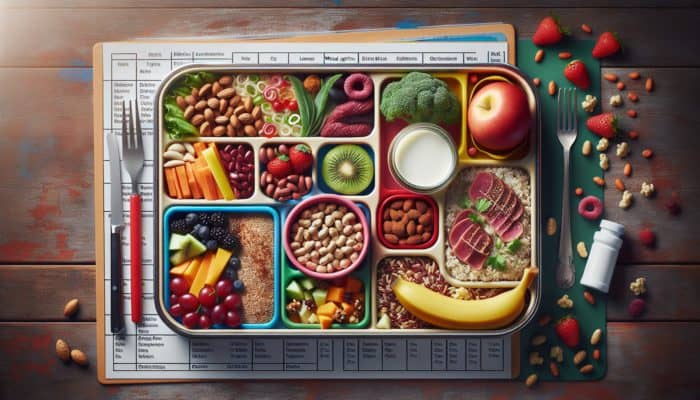
Successful planning for nut-free lunches begins with a comprehensive understanding of nutritional balance. Crafting lunches that are not only safe but also nutritionally adequate is essential for students' growth and development. A well-structured nut-free lunch should incorporate a source of protein, whole grains, and a wide variety of fruits and vegetables.
Key best practices for planning nut-free lunches involve careful ingredient selection and meal preparation. Parents should strive for a combination of protein sources such as lean meats, legumes, or dairy products, alongside whole grains like quinoa, brown rice, or whole grain wraps. Including colourful fruits and vegetables ensures that meals are visually appealing and packed with essential nutrients.
Additionally, consider providing an assortment of textures and flavours to maintain meal interest. Incorporating dips, various types of bread, and diverse cooking methods can enhance student satisfaction. Involving children in the preparation process not only teaches them valuable skills but also allows them to express their preferences, leading to more enjoyable meals. Finally, regularly collecting feedback from students can offer insights into what is effective and what requires improvement, facilitating continuous enhancement of lunch offerings.
How Can You Verify That Your Lunches Are Completely Nut-Free?
Which Ingredients Should You Examine for Nuts?
Ensuring that lunches are truly nut-free begins with diligently identifying which ingredients to scrutinise. Many seemingly harmless food products may include nuts or nut derivatives. Common ingredients that can hide nuts comprise peanut butter, almond milk, granola bars, and specific baked goods. Additionally, remain alert about less obvious items, such as certain sauces, salad dressings, and processed snacks.
Reading product labels is essential for detecting potential allergens. Always search for warnings such as “may contain traces of nuts” or “produced in a facility that processes nuts,” as these indicate possible cross-contamination. Familiarising oneself with ingredient lists and allergen statements can drastically decrease the risk of accidentally including nuts in lunches. Teaching your children how to recognise these labels empowers them to make safer choices.
What Safe Alternatives Exist for Nut-Based Products?
Identifying safe alternatives to nut-based products is crucial for assembling delightful nut-free lunches. Fortunately, the marketplace offers numerous nut-free substitutes that can mimic similar tastes and textures. For instance, sunflower seed butter or pumpkin seed butter can serve as excellent replacements for peanut butter, delivering comparable flavours without the associated allergenic hazards.
Additionally, there is a wide array of nut-free snacks available that can seamlessly replace traditional nut-based options. Consider offering rice cakes, popcorn, or cheese sticks paired with fresh or dried fruits for a wholesome and enjoyable lunchbox experience. Nut-free granola bars can be made using seeds, oats, and natural sweeteners, providing crunch and flavour while ensuring safety.
Always verify allergen certifications on packaging, as many brands now prominently advertise their dedication to being nut-free, simplifying your shopping experience. By exploring new ingredients and options, parents can create exciting meals that are both safe and enjoyable for children.
What Essential Steps Are Needed to Prevent Cross-Contamination?
Preventing cross-contamination is vital for maintaining a nut-free environment. This process involves a series of practical measures during food preparation and packing. A key step is to wash hands thoroughly before handling any food, ensuring that allergens are not transferred from hands to food items.
When preparing lunches, consider implementing the following essential measures:
- Utilise separate cutting boards and utensils exclusively for nut-free food preparation.
- Store nut-free foods in dedicated containers to avoid accidental exposure.
- Label all food items clearly, emphasising their nut-free status.
- Avoid using shared equipment that may have been in contact with nuts, such as toasters or blenders.
- Educate kitchen staff and family members about the importance of preventing cross-contamination.
- Regularly clean food preparation surfaces with safe, allergen-specific cleaning agents.
- Engage children in safe food practices to teach them the importance of avoiding cross-contamination.
- Always verify that pre-prepared foods are indeed nut-free before serving.
By adhering to these precautions, parents and schools can establish a safer lunch environment, significantly reducing the chances of unintended exposure to allergens.
How Can You Create Nut-Free Lunches That Cater to Diverse Dietary Needs?
Crafting nut-free lunches that accommodate various dietary preferences is essential for inclusivity. Embracing diversity in dietary needs, encompassing vegetarian, vegan, and gluten-free options, is vital. A straightforward method to address these needs is by incorporating an array of protein sources. For example, a chickpea salad can provide plant-based protein while remaining nut-free.
Vegetarian nut-free lunch ideas may encompass: veggie wraps filled with hummus, lettuce, and an assortment of vegetables; quinoa bowls topped with roasted veggies; or bean and cheese tacos. For those seeking vegan choices, consider wraps with avocado, sprouts, and sliced vegetables or a hearty lentil soup served with whole grain bread.
For gluten-free requirements, ensure that grains and breads are certified gluten-free, as cross-contamination can pose risks. Dishes such as rice bowls with varied toppings or gluten-free pasta salads can be appealing and satisfying without compromising safety.
Making lunches enjoyable and diverse is crucial for student satisfaction. Involve children in the selection process for lunches, allowing them to choose from a range of nut-free options that align with their dietary preferences. This strategy not only guarantees they relish their meals but also educates them about nutrition and inclusivity.
How Can Schools Raise Awareness About Nut Allergies?
Educating peers and school staff about nut allergies is essential for fostering a supportive environment. Awareness campaigns within schools can significantly reduce stigma and anxiety surrounding food allergies. Initiatives such as information sessions, hands-on workshops, or even school-wide assemblies can help demystify nut allergies and their implications.
Strategies for enhancing awareness include:
- Creating informative posters that explain nut allergies and their symptoms.
- Inviting guest speakers, such as allergists, to share insights with students.
- Implementing allergy awareness days where students learn about various dietary restrictions.
- Encouraging classroom discussions to promote empathy and understanding.
- Utilising social media or school newsletters to share tips on accommodating allergies.
- Encouraging students to share their experiences to foster connection and understanding.
- Providing training for staff on how to respond to allergic reactions effectively.
- Promoting inclusive meal options in cafeteria settings, highlighting nut-free choices.
By cultivating awareness and understanding, schools can establish a more inclusive environment where children with nut allergies feel secure and accepted.
Innovative Nut-Free Lunch Ideas for Every Day of the Week
What Creative Sandwich Options Are Available That Are Nut-Free?
Inventive sandwich options can be both nutritious and appealing to children. A nut-free sandwich does not have to be bland or uninteresting; enhancing flavours and textures is key. Consider fillings such as roasted vegetables with cream cheese, turkey with avocado, or a classic ham and cheese combination on whole grain bread.
Incorporating a variety of spreads can elevate the sandwich experience. Options like pesto made from sunflower seeds or spreads created from roasted vegetables can add excitement. Additionally, using various types of bread, such as pita, wraps, or baguettes, can keep lunches engaging.
Encourage children to participate actively in sandwich-making. This not only makes them feel included but also allows them to explore their favourite flavours. Let them select their ingredients from a range of proteins, vegetables, and spreads, transforming lunch into a fun and creative activity.
What Nut-Free Snacks Are Popular Among Kids?
Snacks play a crucial role in a child's lunch experience, especially when they are nut-free. Healthy snacks that are safe for nut-allergic children can encompass a variety of options. Fresh fruit, such as apple slices or grapes, provides natural sweetness and essential vitamins.
Other appealing nut-free snack options include:
- Veggies with hummus or tzatziki
- Cheese cubes or string cheese
- Popcorn seasoned with nutritional yeast or spices
- Dried fruit, like apricots or raisins
- Rice cakes topped with sunbutter or cream cheese
- Whole grain crackers accompanied by cheese or avocado spread
- Homemade energy balls made from oats, seeds, and dried fruit
- Nut-free granola bars
These snacks not only offer nutritional benefits but also keep children satisfied throughout the day. Engaging kids in the snack selection process can help them discover new favourites while ensuring that snacks meet safety requirements.
What Are the Essential Items for a Nut-Free Lunch Box?
Having the right lunch box essentials is vital for creating a successful nut-free lunch. Equip your child’s lunch box with items that guarantee both safety and nutrition. Start with a sturdy, insulated lunch container that keeps food at the right temperature, preventing spoilage.
Must-have items for a nut-free lunch box include:
- Reusable containers for easy packing and separation of foods
- Ice packs to maintain freshness
- Cutlery and napkins
- Water bottle for hydration
- Fun, colourful lunch box or bag that makes lunchtime enjoyable
- Labels for containers to avoid mix-ups
- Portion-sized snack bags
- Dividers for salads or mixed dishes
Choosing the right essentials streamlines the packing process, ensuring that lunches are organised and visually appealing. This not only encourages children to consume their meals but also teaches them about food management and responsibility.
What Nut-Free Salad Recipes Are Ideal for School Lunches?
Nut-free salads can be a delightful addition to any school lunch. Packed with vitamins and minerals, salads offer endless possibilities for flavour and creativity. A simple yet nutritious idea is a Mediterranean chickpea salad, which combines chickpeas, diced cucumber, cherry tomatoes, and a lemon-olive oil dressing.
Another popular option is a quinoa salad, which can be prepared with black beans, corn, diced peppers, and a zesty lime dressing. This protein-rich dish is satisfying and can be prepared in advance for convenience.
Presenting salads in vibrant containers can also entice children to enjoy their greens. Consider adding toppings like seeds or cheese for added texture. Involving children in the salad-making process not only makes it enjoyable but also allows them to customise their salads, encouraging them to explore new flavours.
What Nut-Free Desserts Can Make Lunchtime Special?
Desserts can add a sweet touch to nut-free lunches, making them exciting for children. Nut-free treats can be both delicious and safe. Options such as fruit salad drizzled with honey or coconut yogurt topped with berries are not only nutritious but also visually appealing, enticing children to savour their meals.
Other delightful nut-free dessert ideas include:
- Chocolate-dipped fruit using dairy-free chocolate
- Homemade oatmeal cookies made with seeds instead of nuts
- Coconut macaroons
- Rice pudding or chia seed pudding
- Nut-free muffins, such as banana or pumpkin
- Frozen yogurt pops made with pureed fruit
- Granola parfaits layered with yogurt and berries
- Mini fruit tarts featuring a nut-free crust
Providing a variety of nut-free dessert options can transform lunchtime into a delightful occasion. Encouraging children to take part in dessert preparation allows them to learn about healthy choices while enjoying the creative process.
Research-Backed Advantages of Implementing Nut-Free School Lunches
What Are the Effective Steps for Enforcing Nut-Free Policies?
Implementing nut-free policies in schools necessitates a strategic approach for effective enforcement. Begin by establishing clear communication with parents, students, and staff regarding the new policies. Forming a committee that includes parents, teachers, and healthcare professionals can facilitate discussions on best practices and nutritional standards.
Effective steps include:
- Drafting a comprehensive nut-free policy that outlines guidelines and expectations.
- Conducting training sessions for staff on allergy management and emergency response.
- Creating informative materials for parents about safe lunch options.
- Regularly reviewing the policy to ensure it remains relevant and effective.
- Encouraging student engagement through nutrition education initiatives.
- Monitoring compliance through routine checks in the cafeteria and lunch areas.
- Providing feedback mechanisms for parents and students to express concerns.
- Highlighting success stories to reinforce the benefits of nut-free lunches.
By following these steps, schools can create a safe, inclusive environment where students are protected from allergenic foods, allowing everyone to enjoy their meals with confidence.
How Does a Nut-Free Environment Affect Student Health?
The effect of a nut-free environment on student health is substantial. Research shows that schools implementing nut-free policies experience a notable decrease in allergic reactions and hospital visits related to anaphylaxis. This alleviates parental anxiety and enhances the overall school experience for children with allergies.
A nut-free environment also promotes healthier eating habits. By focusing on balanced meals that avoid allergens, schools encourage higher consumption of fruits, vegetables, and whole grains, contributing to improved nutrition. Furthermore, when children feel secure in their dining environment, they are more likely to engage socially and emotionally during meals, which is crucial for their overall development.
By connecting food safety with nutritional education, schools adopt a more holistic approach to health, leading to better academic performance, reduced absenteeism, and enhanced physical wellbeing.
What Are the Long-Term Benefits of Sustaining Nut-Free School Policies?
Maintaining nut-free policies in schools yields extensive long-term benefits that surpass immediate safety concerns. Over time, these policies nurture a culture of inclusivity and respect for diversity, teaching children the importance of accommodating others' needs. This cultural shift can cultivate a more empathetic society as children carry these lessons into their adult lives.
Moreover, nut-free policies instil lifelong healthy eating habits. As children learn to navigate their dietary choices in a nut-free environment, they acquire skills that will benefit them throughout their lives. This awareness promotes a deeper understanding of nutrition, food safety, and the impact of food choices on health.
Communities that embrace and sustain nut-free policies can anticipate improved public health outcomes. A reduction in severe allergic reactions leads to fewer emergency situations and healthcare costs, contributing to a healthier, safer environment for all.
Practical Strategies for Packing Nut-Free Lunches
How Can You Efficiently Pack Nut-Free Lunches?
Packing nut-free lunches efficiently can save time while ensuring safety and enjoyment. Start by setting up a designated lunch packing station stocked with all necessary items, such as containers, utensils, and snacks. Having everything in one place streamlines the process and minimises the chances of cross-contamination.
Consider implementing batch cooking strategies. Preparing larger quantities of nut-free mains and sides in advance simplifies packing during busy mornings. For example, cooking a substantial batch of quinoa or pasta to use in various meals throughout the week. Similarly, pre-portioning fruits and snacks into individual servings can make lunchtime preparation quick and efficient.
Involving children in the packing process encourages them to take ownership of their lunches. Allow them to choose their favourite items from a pre-approved list of nut-free options, turning it into a fun and interactive experience. This involvement not only speeds up packing time but also boosts the likelihood that they will enjoy and eat their meals.
How Can You Maintain Freshness in Nut-Free Lunches?
Ensuring freshness in nut-free lunches is critical for creating appetising meals. Using insulated containers helps maintain proper temperatures, preventing spoilage and ensuring food remains enjoyable throughout the day.
Incorporating ice packs into lunch boxes can significantly enhance the freshness of perishable items. Placing ice packs alongside sandwiches or salads helps keep them at a safe temperature. Additionally, consider using vacuum-sealed containers for fruits and vegetables, which can help them stay crisp and delicious.
Encourage children to consume their lunches within a reasonable timeframe to avoid food safety risks. Teaching children about proper food handling empowers them to make safe choices regarding meal consumption.
How Can You Involve Children in Nut-Free Lunch Preparation?
Involving children in lunch preparation fosters responsibility and awareness. Encouraging kids to help in the kitchen teaches them about nutrition and food safety while making the process enjoyable. Allow them to participate in selecting recipes and ingredients, transforming lunch prep into a fun family activity.
Promotional activities like “create your lunch” days can inspire creativity. Provide a range of nut-free options and let children experiment with different combinations, encouraging them to share their creations with peers. This not only adds excitement to meal preparation but also nurtures independence, as children learn to make safe and healthy choices.
Consider establishing a weekly ritual where children can plan their lunches for the upcoming week. This practice empowers them and teaches valuable skills in planning and organisation that will benefit them throughout their lives.
What Varied Nut-Free Lunch Ideas Address Different Dietary Requirements?
Offering a variety of nut-free lunch ideas ensures that all dietary needs are considered. Parents can create meals that cater to different preferences, including vegetarian, vegan, and gluten-free options. For instance, a lentil salad with mixed vegetables can serve as a protein-rich, vegan lunch that is also nut-free.
For gluten-free alternatives, consider using quinoa or rice as the base for salads and bowls. These grains can be topped with colourful vegetables, beans, and a tasty dressing. Wraps using gluten-free tortillas filled with hummus, greens, and grilled chicken are also popular options.
With the increasing prevalence of dietary restrictions, being creative and inclusive when planning lunches is vital. Encourage children to suggest their favourite flavours, allowing them to express their preferences while ensuring their meals are both safe and delicious.
What Safe Nut-Free Snacks Can Be Offered in Schools and Workplaces?
Safe nut-free snacks are essential for both schoolchildren and adults. As many workplaces adopt nut-free policies, having a repertoire of go-to snacks that comply with safety requirements is vital. Healthy options such as yogurt cups, fruit, and vegetable sticks with dips are versatile and satisfying.
Other suitable snacks include:
- Popcorn seasoned with herbs or nutritional yeast
- Seed-based granola bars
- Veggie chips made from kale or beetroot
- Edamame sprinkled with sea salt
- Rice cakes with avocado or cream cheese
- Cheese sticks or cubes accompanied by whole grain crackers
- Fruit smoothies made with nut-free milks
- Homemade muffins or energy balls using seeds
These snacks can be prepared in advance, making them convenient for busy mornings. They provide a nutritious boost and stave off hunger, ensuring that both children and adults can enjoy their day without worrying about allergens.
What Are the Frequently Asked Questions About Nut-Free Lunches?
What Nuts Are Most Commonly Associated with Allergies?
The most common nuts associated with allergies include peanuts, almonds, walnuts, cashews, hazelnuts, pecans, pistachios, and Brazil nuts.
How Can I Guarantee My Child's Lunch Remains Nut-Free?
To ensure a child's lunch is nut-free, scrutinise all ingredient labels for nuts or nut derivatives, use dedicated containers to prevent cross-contamination, and educate your child about food safety.
Are There Nut-Free Alternatives Available for Peanut Butter?
Yes, alternatives to peanut butter include sunflower seed butter, soy nut butter, and pumpkin seed butter, which offer similar textures and flavours without the allergenic risks.
How Can Schools Effectively Educate Students About Nut Allergies?
Schools can effectively educate students about nut allergies through workshops, informative posters, guest speakers, and interactive activities that promote understanding and awareness among peers.
What Nut-Free Snacks Are Healthy for Kids?
Healthy nut-free snacks for kids encompass fresh fruits, vegetable sticks with hummus, cheese cubes, popcorn, and homemade granola bars made without nuts.
How Do I Prevent Cross-Contamination in the Kitchen?
Prevent cross-contamination by employing separate cutting boards and utensils for nut-free foods, washing hands thoroughly, and keeping nut-free and nut-containing items stored separately.
Can I Include Desserts in a Nut-Free Lunch?
Yes, desserts can certainly be included in nut-free lunches. Options like fruit salad, nut-free muffins, and yogurt parfaits are all delicious and safe choices.
What Should I Do If My Child Has a Severe Nut Allergy?
If your child has a severe nut allergy, always communicate with their school about their needs, provide safe snacks and meals, and ensure they carry an epinephrine auto-injector for emergencies.
Are There Specific Brands That Offer Nut-Free Products?
Many brands provide nut-free products, including snacks, spreads, and baked goods. Always check product labels for allergen information and certifications.
How Can I Simplify the Process of Packing Nut-Free Lunches?
Packing nut-free lunches can be streamlined by preparing meals in advance, using designated packing stations, and involving children in meal selection and preparation.
Stay updated with our exciting news on Facebook!
The post How to Make Nut-Free School Lunches: Safe and Delicious appeared first on https://cookinggods.com
The Article Nut-Free School Lunches: Safe and Delicious Ideas Was Found On https://limitsofstrategy.com