Uncover the Extraordinary XamanekBelize Travel Adventure
Explore the Distinctive Features That Make XamanekBelize Stand Out in Belize Travel

The XamanekBelize platform serves as an exceptional travel guide, intertwining expert local insights with a strong dedication to sustainable tourism. Specialising in Belize Travel Guide, we assist adventurers in uncovering the hidden treasures of this dynamic destination. Our approach includes monetising through curated travel packages, forming affiliate partnerships with local businesses, and offering unique travel experiences that resonate with eco-conscious explorers.
This comprehensive guide delves into the essential elements of travelling in Belize, covering a diverse range of topics from enriching cultural experiences to exhilarating adventure activities, wellness retreats, family-friendly options, and best practices for sustainability. Our aim is to empower travellers with insightful information that fosters a genuine connection with the rich heritage and stunning natural beauty of Belize, ensuring every visit is both memorable and transformative.
- Immerse yourself in authentic cultural experiences that showcase the vibrant life of Belize.
- Engage in adventure activities perfect for both thrill-seekers and nature lovers alike.
- Rejuvenate at wellness retreats focusing on relaxation and mental well-being.
- Access family-friendly amenities and engaging activities suitable for all ages.
- Embrace sustainability practices that promote eco-conscious travel and protect the environment.
What Unique Experiences Await You at XamanekBelize?
How Are Accommodations Customised to Enhance Your Comfort and Enjoyment?
Accommodations featured by XamanekBelize are expertly designed to blend luxury with authentic local culture, ensuring a unique stay. Each property showcases traditional Belizean architecture, featuring spacious rooms that offer breathtaking views of the surrounding natural landscape. Expansive windows and open layouts create a warm and welcoming atmosphere, inviting guests to fully immerse themselves in the stunning beauty and tranquility that Belize has to offer.
Every aspect of the accommodations reflects the local culture, from hand-crafted furniture to vibrant textiles that tell a story of Belizean heritage. This thoughtful design elevates the travel experience, ensuring that each stay is not just comfortable but also uniquely memorable. Guests consistently express their appreciation for the harmonious fusion of modern amenities and cultural authenticity found in these properties, making their stay a delightful fusion of relaxation and exploration.
What Amenities Can Guests Expect to Enjoy at XamanekBelize Properties?
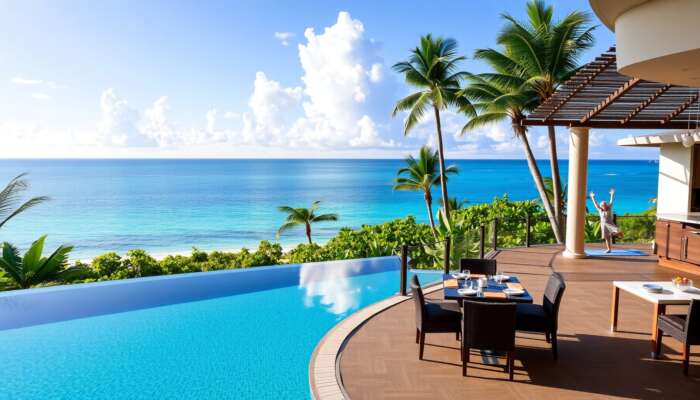
Guests at properties curated by XamanekBelize can look forward to an extensive array of amenities designed to enhance their overall stay. Infinity pools with panoramic ocean views, cutting-edge fitness centres, and rejuvenating wellness spas present excellent opportunities for relaxation and renewal. Each amenity is thoughtfully integrated to provide guests with a luxurious experience that aligns with their desires for comfort and rejuvenation.
Dining experiences emphasise farm-to-table concepts, showcasing local ingredients that allow guests to savour the authentic flavours of Belizean cuisine. Additionally, complimentary activities such as yoga sessions and guided nature tours encourage guests to connect with the breathtaking surroundings of Belize, enriching their overall experience and fostering a deeper appreciation for the region’s natural beauty and cultural richness.
Why Choose XamanekBelize for Your Travel Plans?
How Does XamanekBelize Enhance Guest Experiences with Exceptional Service?
Travellers frequently share glowing reviews about their experiences with XamanekBelize, highlighting the exceptional service delivered by our knowledgeable staff. Guests appreciate the personalised attention that makes them feel genuinely valued and warmly welcomed. Many describe their visits as feeling like they belong to a close-knit community rather than being just another tourist, creating a sense of belonging that enhances their holiday experience.
The thoughtfully curated range of activities allows guests to either relax or embark on exciting adventures. This diversity ensures that every traveller, from families to solo adventurers, finds activities that resonate with their unique interests and desires, enhancing their overall enjoyment and making their stay truly unforgettable.
What Real-Life Experiences Highlight the Unique Features of XamanekBelize?

One guest recounted an unforgettable evening spent dining on the beach, where a local chef prepared a meal using fresh, locally sourced ingredients while sharing captivating stories about Belizean culinary traditions. Such experiences perfectly exemplify XamanekBelize‘s dedication to authenticity and cultural connection, providing guests with a memorable dining experience that goes beyond just food.
Another guest relished a guided eco-tour led by a local expert, exploring hidden lagoons and ancient Mayan ruins. These immersive experiences not only highlight the natural beauty of Belize but also cultivate meaningful connections with the local culture, enhancing the overall travel experience and allowing guests to return home with cherished memories and stories to share.
What Steps Should You Take to Effectively Plan Your Visit with XamanekBelize?
How Can You Maximise Your Travel Experience in Belize with Expert Guidance?
Planning a visit to Belize with XamanekBelize involves several crucial steps to ensure a memorable experience. First, determine the optimal time to visit; the dry season from late November to mid-April is ideal for enjoying pleasant weather and partaking in outdoor activities. This period typically offers the best conditions for exploring the diverse landscapes and attractions throughout Belize.
Next, take the time to research various accommodations to find the one that best aligns with your preferences, whether you seek beachfront views or proximity to cultural sites. Furthermore, booking activities in advance is wise to secure your spot for popular excursions, such as snorkelling or cultural tours, ensuring a seamless experience that allows you to fully immerse yourself in the beauty and culture of Belize.
- Plan your visit during the dry season for optimal weather conditions and enjoyable outdoor activities.
- Book activities in advance to guarantee your participation in sought-after excursions.
- Research accommodations to align with your travel style and personal preferences.
- Learn about local customs to enrich your overall experience and understanding of Belizean culture.
- Pack essentials like sunscreen and insect repellent for comfort during your adventures.
- Consider transportation options to facilitate easy access to attractions and activities.
- Remain open to spontaneous local experiences that may arise during your journey.
- Maintain a flexible itinerary to fully enjoy unexpected opportunities that come your way.
What Activities Are Available Through XamanekBelize?
Are Cultural Experiences Included in the Offerings at XamanekBelize?
Absolutely! XamanekBelize provides an extensive selection of cultural experiences that allow guests to immerse themselves in the vibrant life of Belize. Cooking classes offer insights into traditional recipes, while artisan workshops provide hands-on experiences with local crafts that reflect the rich cultural heritage of Belize. These activities not only entertain but also educate, enriching the travel experience and fostering a deeper connection with local traditions and customs.
Popular activities include Garifuna drumming workshops, where guests can learn about this UNESCO-recognised culture. These engaging experiences provide not just entertainment but also a chance to connect with the local community, enhancing your understanding of Belize’s diverse cultural landscape and traditions.
What Outdoor Adventures Can Guests Enjoy During Their Stay at XamanekBelize?
Outdoor enthusiasts will discover a wealth of adventure options through XamanekBelize. Snorkelling and scuba diving at the Belize Barrier Reef promise unforgettable underwater exploration, showcasing the stunning marine biodiversity of the region. Kayaking and paddleboarding in tranquil waters offer guests the chance to enjoy the breathtaking coastline from a unique perspective, creating lasting memories of their Belizean adventure.
On land, thrilling adventures await, including hiking through lush rainforests to uncover hidden waterfalls and ancient Mayan ruins. Birdwatching in diverse ecosystems further amplifies the connection with nature, providing guests with unforgettable experiences that leave lasting memories and a deeper appreciation for the natural world.
- Embark on snorkelling and scuba diving adventures at the Belize Barrier Reef for exhilarating underwater encounters.
- Kayak and paddleboard in serene and picturesque waters along the stunning coastline.
- Hike to discover hidden waterfalls and breathtaking vistas within the lush landscapes of Belize.
- Explore ancient Mayan ruins steeped in history and cultural significance.
- Engage in birdwatching within lush and diverse surroundings to observe the unique avian life.
- Participate in cultural tours that connect you with local communities and their traditions.
- Enjoy sunset cruises that offer breathtaking views of the horizon and the surrounding sea.
- Observe wildlife in diverse ecosystems for unique encounters that enrich your experience.
What Wellness Offerings Can You Experience at XamanekBelize?
How Do Wellness Services Enhance Guest Experiences at XamanekBelize?
The wellness offerings at XamanekBelize are thoughtfully designed to promote relaxation and rejuvenation among guests. Visitors can indulge in spa treatments that utilise local ingredients, such as coconut oil and herbal remedies, reflecting traditional Belizean healing practices that have been passed down through generations. These treatments not only pamper but also provide insight into local wellness traditions.
Additionally, yoga sessions set in tranquil outdoor environments provide guests with opportunities to reconnect with nature and find inner peace. Tailored fitness programs cater to various interests, ensuring that every guest can engage in a form of exercise that suits their preferences and enhances their overall well-being during their stay, promoting a holistic approach to relaxation and health.
How Does Personalised Service Enhance the Overall Experience at XamanekBelize?
Personalised services at XamanekBelize significantly enhance guest experiences, fostering a sense of belonging and uniqueness throughout their stay. Our staff members are trained to recognise individual preferences, enabling them to tailor services in a way that meets each guest’s specific needs and desires, creating a truly bespoke experience.
Real-world examples include concierge recommendations that align with guests’ interests, whether they lean towards culinary delights or adventure-filled excursions. This attentive hospitality nurtures connections between guests and staff, ensuring memorable interactions that contribute to overall satisfaction and a sense of community throughout the property.
What Dining Options Are Available for Travelers at XamanekBelize?
How Does XamanekBelize Cater to Culinary Enthusiasts and Food Lovers?
Dining at XamanekBelize transforms into a culinary journey that reflects the rich flavours of Belizean cuisine while thoughtfully incorporating international influences. On-site restaurants typically feature seasonal menus that emphasise fresh, locally sourced produce and seafood, ensuring every meal is a delightful experience that showcases the best of Belizean flavours.
Guests can indulge in a variety of dining experiences, ranging from casual beachside bites to exquisite fine dining options. Signature dishes highlight traditional Belizean ingredients, allowing for an authentic taste of the region that excites the palate and satisfies culinary curiosity, making each meal a memorable part of the travel experience.
What Unique Dining Experiences Can Guests Anticipate During Their Stay?
For those seeking intimate dining experiences, options like candlelit dinners on the beach or personalised chef experiences are readily available. These unique culinary adventures ensure that every meal becomes a cherished memory, elevating the overall travel experience and providing guests with exclusive opportunities to savour the flavours of Belize in a romantic and enchanting setting.
What Adventure Activities Does XamanekBelize Offer for Thrill-Seekers and Adventurers?
How Can Guests Experience Exciting Activities During Their Stay at XamanekBelize?
Adventure seekers at XamanekBelize will discover countless thrilling activities to enjoy throughout their visit. Water sports—including diving, snorkelling, and fishing—are easily accessible due to the close proximity to the Belize Barrier Reef, making it a paradise for aquatic enthusiasts eager to explore vibrant coral reefs and marine life.
On land, exhilarating activities such as hiking through lush rainforests offer opportunities to explore hidden caves and breathtaking waterfalls. Cultural excursions, including visits to ancient Mayan ruins, allow guests to engage with the rich history of Belize, creating memorable experiences that resonate long after their trip concludes and instilling a sense of wonder about this remarkable destination.
What Sustainability Practices Are Employed by XamanekBelize to Protect the Environment?
XamanekBelize is deeply committed to sustainability, implementing eco-friendly practices that minimise environmental impact while enhancing guest experiences. Energy-efficient systems, robust recycling programmes, and sourcing local goods are integral to our approach, supporting the local economy and significantly reducing waste, ensuring that tourism benefits the community and environment.
Educational programmes actively encourage guests to partake in sustainability initiatives, fostering a culture of environmental responsibility. This commitment not only positively affects the community and ecosystem but also enriches the overall travel experience, allowing guests to feel good about their choice to travel sustainably and contribute positively to the beautiful landscapes they explore.
How Does XamanekBelize Cater to Families Travelling with Children?
What Family-Friendly Amenities Are Offered to Enhance Your Family Experience?
The XamanekBelize guide showcases numerous family-friendly amenities thoughtfully designed for guests of all ages, ensuring a comfortable and enjoyable experience for families. Spacious accommodations often feature multiple bedrooms and communal living areas, providing ample space for relaxation and family bonding during their stay, making it easy for families to create lasting memories together.
On-site facilities, including children’s pools and playgrounds, allow parents to unwind while their kids play safely. Family-centred activities, such as movie nights under the stars, create opportunities for shared experiences that strengthen family connections and create lasting memories together, fostering a sense of togetherness during your holiday.
What Activities Are Specifically Designed to Engage Children at XamanekBelize?
Children visiting XamanekBelize can enjoy a variety of exciting activities tailored to engage and entertain young minds. Organised children’s programmes include arts and crafts, nature hikes, and educational workshops focused on local flora and fauna, providing enriching experiences that stimulate creativity and curiosity.
Water activities, such as snorkelling lessons and beach games, provide adventurous outlets for children to explore safely while under supervision. Kids’ clubs, staffed by trained professionals, allow children to socialise and forge friendships while participating in fun and enriching activities designed just for them, ensuring that every child has an enjoyable and memorable experience.
How Does XamanekBelize Prioritise Family Safety During Your Visit?
Safety is a paramount concern at XamanekBelize, with an array of measures in place to create a secure environment for families travelling together. Properties feature gated entrances and 24-hour security personnel, ensuring peace of mind for all guests and a worry-free vacation experience.
Child-friendly areas are meticulously designed with safety in mind, utilising soft materials in playgrounds and ensuring pools have appropriate depths for younger guests. Emergency procedures are clearly communicated, providing families with essential information to enjoy a worry-free vacation experience while prioritising the well-being of all guests.
What Dining Options Are Available for Families at XamanekBelize?
Dining options at XamanekBelize cater specifically to families, ensuring enjoyable experiences for everyone involved. Kid-friendly menus present a variety of delicious options that appeal to younger appetites while ensuring nutrition and flavour, making mealtimes an enjoyable part of the family holiday.
Flexible dining hours accommodate families, promoting communal dining experiences that encourage bonding and connection. Special dining events, such as family barbecues or themed dinners, create unique opportunities for families to engage over meals in a relaxed and enjoyable setting, forging cherished memories that last long after the holiday is over.
What Makes the Location of XamanekBelize Truly Special for Visitors?
How Is Accessibility Managed for Guests at XamanekBelize?
The XamanekBelize guide highlights properties that are strategically situated for easy accessibility, ensuring a seamless travel experience for guests. Major transportation hubs, including the Philip S.W. Goldson International Airport, are located within a short distance, facilitating smooth transfers for all visitors and making your arrival and departure as stress-free as possible.
Many properties provide shuttle services or collaborate with local transportation providers, further enhancing accessibility and convenience for arrivals and departures. The proximity to key attractions allows guests to explore the rich offerings of Belize without extensive travel times, making their experience enjoyable and hassle-free, allowing them to maximise their time spent in this beautiful destination.
The Article Alaia Belize Autograph Collection: Essential Travel Guide appeared first on Belize Travel Guide
The Article Essential Travel Guide to Alaia Belize Autograph Collection Was Found On https://limitsofstrategy.com