Uncover the Unique Advantages of Using XamanekBelize as Your Travel Companion for Experiencing Belize
At XamanekBelize, our commitment lies in delivering an exceptional Belize Travel Guide that empowers explorers to embark on enriching and memorable adventures. We aim to connect visitors with the vibrant culture, stunning landscapes, and rich history that Belize presents, ensuring that each experience is unforgettable.
Our revenue model is built upon strategic affiliate partnerships, carefully curated travel packages, and tailored consulting services that cater to individual preferences. Our extensive resources equip travellers with the necessary tools to navigate local attractions, immerse themselves in cultural experiences, and indulge in delightful culinary offerings, ensuring that every visitor optimally utilises their time in this beautiful country.
This all-encompassing guide covers essential elements of travelling in Belize, from cultural landmarks and local gastronomy to safety advice and budgeting strategies that enable a smooth and enjoyable trip.
What Unique Characteristics Make Belmopan City Stand Out Among Other Destinations?
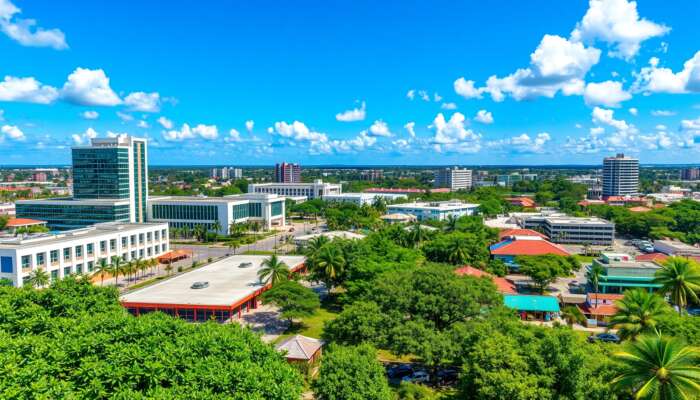
Which Cultural Landmarks Are Essential to Visit in Belmopan?
Belmopan, the capital city of Belize, offers an impressive array of cultural landmarks that highlight the nation’s diverse heritage. One of the standout attractions is the National Museum of Belize, where visitors can admire an extensive collection of over 500 artifacts that narrate the story of the ancient Maya civilization. The museum features interactive displays and educational exhibits that engage and educate visitors, providing profound insights into the cultural evolution and history of Belize.
Another significant site in Belmopan is the Belize House of Culture, a stunning colonial structure that serves as a venue for cultural events and exhibitions. This vibrant centre frequently showcases local artists, musicians, and cultural festivals, giving visitors a taste of the dynamic arts scene that flourishes in the city. Additionally, nearby historical sites, such as the ancient Maya ruins of Xunantunich, enrich the cultural exploration, allowing guests to step back in time and discover the remnants of this once-thriving civilization.
- National Museum of Belize: Home to over 500 artifacts.
- Belize House of Culture: A hub for local artists and cultural events.
- Xunantunich: Explore the impressive ancient Maya ruins nearby.
Furthermore, the annual Cultural Festival unites the city’s diverse communities through music, dance, and delectable culinary offerings, encapsulating the vibrant spirit of Belmopan and its inhabitants.
How Does Belmopan’s Gastronomy Reflect Its Cultural Richness?
The culinary scene of Belmopan serves as a delicious reflection of its multicultural heritage, presenting an array of flavours that draw from both local and international traditions. Local cuisine in Belmopan masterfully combines traditional Belizean dishes with global influences, creating a unique and thrilling dining experience. Street vendors and bustling local markets offer a plethora of choices, from fresh produce to prepared meals that celebrate the culinary heritage of the region.
Fresh ingredients play a vital role in Belizean cuisine, with seafood, rice, beans, and tropical fruits forming the foundation of many dishes. Numerous restaurants throughout the city serve authentic meals, providing visitors with opportunities to relish local flavours. Whether dining at a casual eatery or a sophisticated restaurant, each establishment is an invitation to enjoy the warmth and hospitality of the Belizean people.
- Local cuisine combines traditional Belizean and international flavours.
- Staples include seafood, rice, beans, and tropical fruits.
- A variety of dining experiences are available across the city.
For an authentic culinary experience, dining at beloved local establishments such as Mama’s Restaurant or Hibiscus Restaurant is highly encouraged. These venues not only serve mouthwatering meals but also foster an inviting atmosphere for travellers to engage with the local community.
What Culinary Delights Are Essential to Experience While in Belmopan?

During your visit to Belmopan, it is crucial to indulge in several must-try dishes that exemplify the essence of Belizean culinary art. A staple dish is Rice and Beans, cooked with coconut milk to enhance the flavour of the rice, typically accompanied by tender stewed chicken or beef. Another classic dish is Conch Fritters, made with fresh local seafood, fried to a golden perfection, and served with tangy dipping sauces.
No visit to Belmopan would be complete without enjoying Stewed Chicken, a much-loved dish often served with rice and coleslaw. This dish is a local favourite, frequently gracing tables during family gatherings. For those seeking vegetarian alternatives, Plantain Tamales provide an exciting twist on traditional fare, filled with vibrant vegetables and aromatic spices.
- Rice and Beans: A beloved staple enhanced with coconut milk.
- Conch Fritters: A deep-fried local seafood delicacy.
- Stewed Chicken: A family favourite enjoyed with rice and coleslaw.
Lastly, dessert lovers will greatly enjoy Chocolate Cake, made from locally sourced cacao, showcasing Belize’s reputation for producing high-quality chocolate. The harmonious blend of flavours in these dishes beautifully represents the heart and soul of Belmopan’s culinary landscape.
How Do Belmopan’s Scenic Landscapes Enhance Your Travel Experience?
Belmopan is surrounded by lush greenery and breathtaking vistas, making it a true nature lover’s paradise. Located in the heart of Belize, the city is nestled between the majestic Maya Mountains and the tranquil Belize River, offering stunning scenery and diverse ecosystems. The rich biodiversity of the region is evident in nearby natural attractions, such as the Blue Hole National Park, where visitors can hike through tropical rainforest trails that lead to picturesque waterfalls and inviting swimming holes.
Nearby caves, like Actun Tunichil Muknal, hold significant archaeological value, allowing adventurers to uncover remnants of ancient Maya rituals and artifacts. This excursion not only provides adventure but also deepens the understanding of Belize’s natural and cultural heritage.
- Belmopan is bordered by the stunning Maya Mountains and the Belize River.
- Blue Hole National Park offers hiking and refreshing swimming opportunities.
- Actun Tunichil Muknal cave reveals ancient Maya rituals.
Hiking enthusiasts will appreciate the trails that wind through the Mountain Pine Ridge Forest Reserve, featuring scenic vistas and opportunities for birdwatching. These trails cater to all skill levels, making them accessible for both casual walkers and seasoned trekkers. Immersing oneself in nature within this extraordinary setting can lead to transformative experiences and enduring memories.
What Expert Tips Can Elevate Your Travel Experience in Belmopan?
How Can You Navigate Belmopan City with Ease?
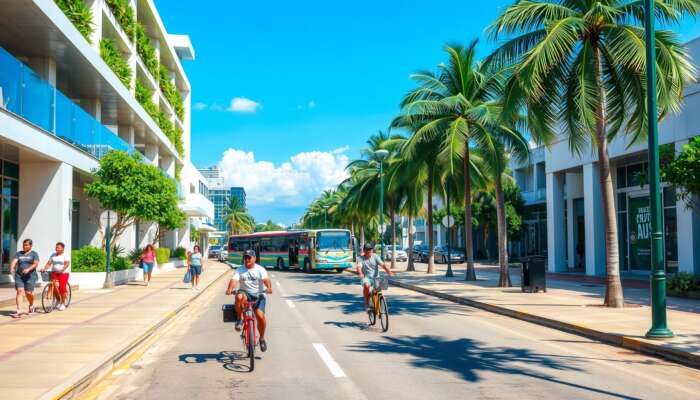
Getting around Belmopan is straightforward, thanks to its compact layout and convenient transportation options. The city is designed for easy navigation, making it an ideal destination for visitors to explore on foot. For those keen to venture further, bicycle rentals provide a popular and eco-friendly option for transportation.
Public transportation, including local buses and taxis, efficiently serve the city. Buses offer an economical option, running frequently and connecting Belmopan with nearby towns and attractions. Opting for taxi services ensures a hassle-free way to reach destinations without the stress of parking.
- Walking is an efficient way to navigate the compact city layout.
- Bicycle rentals offer an environmentally friendly transportation choice.
- Public buses connect Belmopan with nearby towns and attractions.
For a more personalised experience, consider hiring a local guide or joining organised tours that provide valuable insights into the city’s history and culture. These knowledgeable guides enrich the overall travel experience, ensuring visitors discover hidden gems and unique stories of Belmopan.
What Hidden Treasures in Belmopan Should You Seek Out?
Belmopan is not only abundant with well-known attractions but also boasts a variety of hidden treasures that offer unique experiences away from the usual tourist routes. One such gem is the Belmopan Market, which operates on weekends and provides an authentic glimpse into local life. Here, travellers can discover fresh produce, handcrafted goods, and a vibrant atmosphere filled with local vendors eager to share their stories.
A visit to the Guatemalan Cultural Center can unveil the profound cultural influence of neighbouring Guatemala. This centre regularly hosts cultural events and workshops that celebrate the artistic traditions and heritage of the region, providing visitors with immersive experiences.
- Belmopan Market: Open on weekends, featuring fresh local produce.
- Guatemalan Cultural Center: Hosts cultural events and workshops.
- El Pilar Archaeological Reserve: Discover remnants of an ancient Maya city.
Another lesser-known treasure is the El Pilar Archaeological Reserve, located a short distance from Belmopan. This site allows visitors to explore the remnants of an ancient Maya city while enjoying the tranquillity of the surrounding jungle. Additionally, the Nature Conservancy’s Belize River Project offers eco-tourism opportunities that promote environmental awareness and conservation efforts.
When Is the Optimal Time to Experience Belmopan?
The best time to visit Belmopan largely depends on personal preferences regarding weather and desired activities. Generally, the dry season, which runs from late November to mid-April, is considered the most favourable time for travel. During these months, the weather is warm and sunny, creating ideal conditions for outdoor adventures and exploration.
Conversely, the rainy season, spanning from June to November, presents its own unique advantages, especially for those looking to experience lush landscapes and vibrant biodiversity. The rainfall revitalises the flora, making it particularly picturesque for nature enthusiasts. Moreover, travelling during this time may lead to less crowded attractions and more affordable accommodation options.
- Dry season (late November to mid-April) is perfect for outdoor adventures.
- Rainy season (June to November) enhances natural beauty and biodiversity.
- Festivals like the Belize International Film Festival in September draw in visitors.
Planning your visit around local events and festivals, such as the Belmopan Cultural Festival in November, can significantly enrich your travel experience and offer unique opportunities to engage with local culture.
How to Strategically Plan Your Itinerary for Belmopan?
What Essential Attractions Should Be Included in Your Travel Plans?
When designing an itinerary for Belmopan, several key attractions should be included to guarantee a well-rounded travel experience. The National Museum of Belize is a must-visit, where guests can delve into exhibits showcasing the nation’s rich history and cultural treasures. The museum’s captivating displays provide context and depth to the diverse heritage of Belize.
Another essential site is the Belize Zoo, celebrated for its commitment to conservation and the rehabilitation of native species. The zoo offers visitors the chance to observe animals in their natural habitats, providing an intimate experience with Belize’s unique wildlife.
- National Museum of Belize: Discover the rich history and culture of Belize.
- Belize Zoo: Observe native species in their natural habitats.
- Xunantunich Mayan Ruins: An impressive archaeological site worth exploring.
The nearby Xunantunich Mayan Ruins also stand out as a highlight. This archaeological site features remarkable temples and structures that date back to the Maya civilization. Climbing the El Castillo temple rewards visitors with panoramic views of the surrounding jungle, creating an unforgettable experience.
How to Organise Your Itinerary for Maximum Enjoyment?
Creating a well-structured itinerary can greatly enhance your travel experience in Belmopan. A suggested itinerary could look like this:
- Day 1: Arrive in Belmopan, visit the National Museum of Belize, and enjoy dinner at a local restaurant.
- Day 2: Explore Xunantunich Mayan Ruins in the morning, have lunch at a nearby eatery, and visit the Belize Zoo in the afternoon.
- Day 3: Spend the day hiking in the Mountain Pine Ridge Forest Reserve, relishing nature.
- Day 4: Engage with local culture by attending a workshop at the Guatemalan Cultural Center, followed by shopping at the Belmopan Market.
This itinerary effectively balances cultural exploration, outdoor adventures, and local engagement, ensuring a comprehensive experience of Belmopan’s diverse offerings.
How Long Should Your Stay in Belmopan Be for an Ideal Experience?
Determining the optimal length of stay in Belmopan depends on the activities you wish to engage in. For a fulfilling experience, a 3 to 5-day stay is generally recommended. This timeframe allows ample exploration of key attractions while providing opportunities for relaxation and deeper immersion in the local culture.
For those primarily interested in major sites, shorter stays of 2 days may suffice. However, extending your stay to 5 days enables travellers to fully immerse themselves in the natural surroundings and savour the rich culinary scene.
- 3 to 5 days is ideal for a well-rounded visit.
- 2 days may be enough for major attractions.
- Week-long stays allow for day trips to nearby must-see destinations.
Ultimately, aligning the length of your stay with your interests and desired experiences will optimise your enjoyment of all that Belmopan has to offer.
What Proven Strategies Should You Employ for Your Memorable Belmopan Adventure?
What Safety Measures Should You Consider While Travelling?
Safety remains a top priority during travel, and Belmopan is generally regarded as safe for tourists. Nevertheless, it is essential to remain vigilant and adopt common-sense precautions. Travelers should avoid walking alone at night, particularly in less populated or poorly lit areas.
Utilising taxi services is advisable for safe travel after dark, ensuring a secure journey to your destination. Staying aware of your surroundings and safeguarding your valuables is crucial. It is wise to use hotel safes for passports and extra cash, carrying only the essentials while exploring.
- Avoid walking alone at night in less populated areas.
- Use taxi services to ensure safe travel after dark.
- Keep valuables secured, utilising hotel safes when possible.
Additionally, familiarise yourself with emergency contact numbers and the locations of nearby medical facilities. Purchasing travel insurance can offer protection against unforeseen circumstances during your journey, delivering peace of mind.
How Can You Effectively Budget for Your Trip?
Budgeting for a trip to Belmopan can vary significantly based on personal preferences, chosen activities, and types of accommodations. On average, travellers can anticipate spending between $50 to $150 per day, depending on comfort levels and selected activities.
Accommodation options range from budget guesthouses to mid-range hotels, with prices generally averaging from $30 to $100 per night. Dining at local eateries typically costs around $5 to $15, while more upscale dining experiences may charge $20 or more per person.
- Average daily budget: $50 to $150.
- Accommodation range: $30 to $100 per night.
- Meals: $5 to $20, depending on the dining venue.
Activity fees also vary; entrance fees to attractions like the National Museum or Belize Zoo usually range from $5 to $20. Guided tours or excursions to Xunantunich can cost between $50 to $150, depending on the tour’s scope and duration.
What Important Local Customs Should You Be Aware Of?
Understanding local customs is vital for fostering respect and appreciation during your visit to Belmopan. The Belizean culture is renowned for its warmth and hospitality. Locals often greet visitors with friendly smiles and open arms. It’s customary to greet others with a simple “Hello” or “Good morning,” which helps establish rapport and connection.
When dining, it is polite to wait for the host to begin the meal before starting to eat. Tipping is common and appreciated, typically around 10% to 15% of the bill in restaurants. In markets, bargaining is acceptable, but it should always be conducted respectfully.
- Greet locals with “Hello” or “Good morning” to establish rapport.
- Wait for the host to start the meal before beginning to eat.
- Tipping: 10% to 15% is customary in restaurants.
Dress modestly, especially when visiting religious sites or participating in local events. Lightweight fabrics are recommended due to the warm climate; however, ensuring that shoulders and knees are covered when necessary demonstrates respect for local customs and traditions.
What Local Specialties Are Essential to Sample?
Sampling local cuisine is a vital aspect of experiencing the culture of Belmopan. To fully appreciate the rich flavours of Belize, visitors should indulge in traditional dishes that define the culinary landscape. Belizean Rice and Beans, often served with stewed chicken or fish, is a quintessential dish that reflects the essence of local flavours.
Fried Jacks are another must-try breakfast item, resembling savoury doughnuts, commonly paired with beans, eggs, or meat. For seafood lovers, Garnaches, crispy tortillas adorned with refried beans, cheese, and hot sauce, provide a delightful snack or appetizer.
- Belizean Rice and Beans: A quintessential dish reflecting local flavours.
- Fried Jacks: Savoury doughnuts perfect for breakfast.
- Garnaches: Crispy tortillas topped with refried beans and cheese.
Do not miss the opportunity to enjoy Chocolaty, a rich beverage made from local cacao, showcasing Belize’s impressive chocolate heritage. Local markets and eateries offer authentic dining experiences, enabling travellers to sample these delicious dishes while interacting with friendly vendors.
What Thrilling Outdoor Activities Await You in Belmopan City?
Which Outdoor Experiences Should You Embrace in Belmopan?
Belmopan is a haven for outdoor enthusiasts, offering an extensive range of outdoor experiences that cater to diverse interests. The stunning natural surroundings present numerous opportunities for hiking, biking, and exploring lush landscapes. The Mountain Pine Ridge Forest Reserve is renowned as one of the premier hiking destinations, featuring well-marked trails suitable for various skill levels, from novice to experienced hikers.
Celebrated for its beautiful pine forests, cascading waterfalls, and rich biodiversity, the reserve is perfect for nature walks and birdwatching. Furthermore, visitors can engage in eco-tourism initiatives designed to promote responsible travel, ensuring that these breathtaking landscapes are preserved for future generations to enjoy.
- Mountain Pine Ridge Forest Reserve is an ideal destination for hiking.
- Explore stunning pine forests and picturesque waterfalls.
- Participate in eco-tourism initiatives that promote environmental preservation.
Whether trekking through beautiful trails or immersing yourself in the vibrant ecosystems, Belmopan presents an incredible array of outdoor activities waiting to be experienced.
The Article Belmopan City Belize: Ultimate Guide for Adventurers appeared first on Belize Travel Guide
The Article Belmopan City Belize: A Must-Visit for Adventurers Was Found On https://limitsofstrategy.com