Comprehensive Analysis of Commercial Cleaning Services Across the UK
What types of businesses in the UK benefit most from professional cleaning services?
Professional cleaning services are crucial across a wide array of businesses throughout the United Kingdom. Various sectors, such as offices, retail establishments, and the hospitality sector, depend heavily on these services to uphold stringent hygiene standards and comply with strict health regulations. This unwavering dedication to cleanliness not only cultivates a productive work environment but also enhances employee wellbeing and elevates customer satisfaction. By prioritising cleanliness, businesses can cultivate an inviting atmosphere that fosters both employee productivity and customer loyalty.
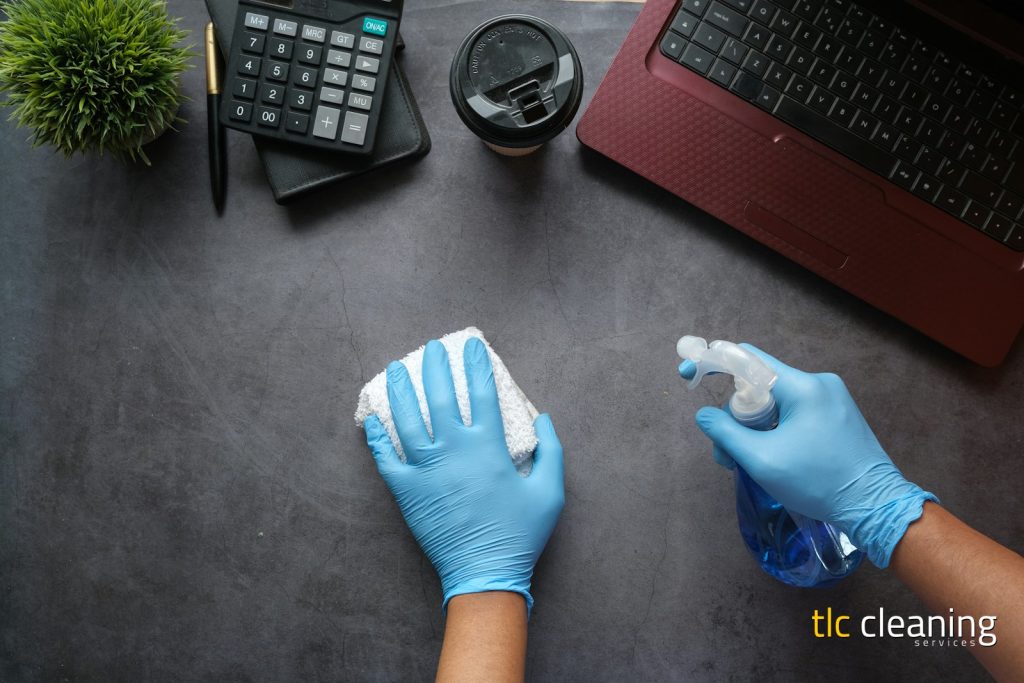

Regularly scheduled professional cleaning, often customised to meet the distinct needs of each business, showcases a commitment to eco-friendly practices and underscores a dedication to sustainability. The presence of expert cleaning services not only enhances the overall aesthetic appeal of the workplace but also boosts operational efficiency, thereby improving employee morale. By adopting such practices, businesses can ensure a clean and healthy working environment, which is essential for both staff and clients.
What essential equipment is used in UK commercial cleaning operations?
In the UK, cleaning companies utilise a wide array of advanced equipment designed to significantly enhance the effectiveness and efficiency of their operations. Key tools employed include:
- Industrial vacuums: These powerful machines ensure comprehensive dirt and debris removal, significantly improving indoor air quality.
- Microfibre cloths: Ideal for dusting and polishing, these cloths capture more dirt compared to traditional materials, ensuring thorough cleanliness.
- Floor scrubbers: These machines are crucial for providing deep cleaning for hard floor surfaces, resulting in a polished finish.
- Steam cleaners: Highly effective for sanitising surfaces without the use of harsh chemicals, promoting a healthier environment.
- Pressure washers: Perfect for outdoor cleaning tasks, they efficiently remove grime from patios and walkways.
- Eco-friendly cleaning solutions: These products minimise environmental impact while ensuring high cleaning standards.
The proper utilisation of this equipment not only fosters safety but also guarantees that cleaning tasks are performed efficiently, enhancing workplace conditions across a multitude of British enterprises. By investing in state-of-the-art cleaning technology, businesses can achieve optimal results while remaining committed to sustainability.
Why is training so vital for cleaning staff in the UK?
Training plays an essential role in the commercial cleaning sector, particularly in the UK, where health and safety regulations are stringently enforced. Proper training equips cleaning personnel with the skills necessary to manage a variety of tasks effectively, encompassing everything from routine upkeep to specialised deep cleaning. Certification in health and safety protocols is imperative, ensuring that employees can carry out their responsibilities safely and efficiently without jeopardising their own safety or that of others.
This comprehensive training not only enhances service quality and reliability but also builds trust between cleaning firms and their clients. Furthermore, well-trained staff can identify potential hazards and mitigate risks, contributing to a safer working environment across all industries. By prioritising staff training, businesses can ensure high-quality service delivery and foster a culture of safety and efficiency.
Expert Perspectives on Commercial Cleaning Services in North Cadbury
What are the best practices for scheduling cleaning services in the UK?
Effective scheduling of cleaning services is crucial for minimising disruptions within UK workplaces. Experts recommend that businesses should consider their operational hours and peak activity times when planning cleaning services. For instance, many offices find that scheduling cleanings for early mornings or late evenings allows staff to work undisturbed throughout the day.
A notable case involves a local law firm in North Cadbury that successfully implemented a nightly cleaning routine, enabling staff to focus on client matters without the distraction of ongoing cleaning tasks. This strategic approach not only enhances productivity but also guarantees a consistently clean environment.
Additionally, maintaining regular communication with cleaning providers enables businesses to receive tailored services. This includes adjusting cleaning frequencies based on seasonal demands or specific events. By optimising cleaning schedules, companies can uphold high cleanliness standards while ensuring smooth day-to-day operations.
What environmental considerations influence UK cleaning methods?
UK cleaning professionals place considerable emphasis on sustainable practices that align with contemporary environmental objectives. The adoption of eco-friendly products is a growing trend as businesses become increasingly aware of their ecological footprint. Sustainable cleaning methods encompass the use of biodegradable cleaning agents, which ensure safety for both employees and the environment.
Moreover, numerous firms in North Cadbury are embracing eco-friendly equipment and techniques, such as water-efficient cleaning tools and procedures that significantly reduce waste. By implementing sustainable cleaning practices, businesses not only comply with UK regulations but also attract clients who value environmental responsibility, thus enhancing their marketability.
How can businesses measure the effectiveness of their cleaning services in the UK?
To assess the effectiveness of cleaning services, UK businesses can utilise various metrics, with inspection checklists being among the most practical tools. Implementing checklists allows for systematic assessments of cleanliness aspects such as dust levels, surface sanitisation, and waste management practices. By regularly using these metrics, companies can ensure that cleaning standards are consistently upheld while identifying areas that require improvement.
Additionally, conducting periodic audits can provide valuable insights into the overall effectiveness of cleaning operations. This data-driven approach fosters accountability among cleaning staff and reinforces the commitment to maintaining rigorous cleanliness standards within the workplace, ultimately enhancing the overall service quality.
What expert recommendations exist for training cleaning staff in North Cadbury?
Robust training programmes are essential for improving the skills and safety of cleaning personnel in North Cadbury. Experts recommend that cleaning firms invest in comprehensive training, including certifications from recognised British institutions. This not only boosts staff confidence but also ensures that employees are well-acquainted with current cleaning protocols and safety measures.
Local businesses have observed significant improvements in operational efficiency and service quality following the implementation of structured training programmes. By prioritising staff training, firms can minimise errors and enhance overall service delivery, leading to higher client satisfaction rates and a more competent workforce.
What innovative technologies are shaping UK commercial cleaning services?
The adoption of advanced technologies is revolutionising the landscape of commercial cleaning in the UK. Innovations such as automated vacuums and eco-friendly cleaning machines are becoming increasingly prevalent. These technologies not only enhance the speed and efficiency of cleaning operations but also ensure compliance with regulatory standards.
In North Cadbury, numerous firms have embraced these advanced tools, resulting in significant improvements in productivity and sustainability. By leveraging technology, cleaning providers can deliver consistent results while minimising the environmental impact of their operations. This forward-thinking approach positions UK cleaning firms as leaders in the industry, effectively meeting the diverse needs of their clientele.
What key considerations should guide UK businesses in choosing the right cleaning service?
What factors should UK businesses evaluate when selecting a service provider?
When selecting a commercial cleaning provider, UK businesses should meticulously assess key factors to ensure they receive reliable service and a solid company reputation. Reviews and testimonials from previous clients should be critically evaluated to gauge effectiveness and service quality. Additionally, pricing structures should be transparent and competitive, allowing companies to operate within their budgets without compromising on quality.
Another vital consideration is the variety of services offered. Some firms may specialise in specific areas, while others provide comprehensive solutions. Understanding these offerings ensures that businesses select a provider capable of meeting their unique cleaning needs effectively. Finally, clear and responsive communication fosters a partnership that enhances overall satisfaction and service delivery.
Why are certifications important for UK cleaning firms?
Certifications play a crucial role in the selection process for commercial cleaning firms in the UK. Businesses should verify that potential providers possess essential qualifications, which may include:
- ISO 9001: Ensures that quality management systems are effectively established.
- ISO 14001: Signifies a commitment to environmental management.
- OHSAS 18001: Focuses on occupational health and safety management.
- SafeContractor: Indicates compliance with health and safety regulations.
- British Institute of Cleaning Science (BICSc): Recognises training and competency in cleaning practices.
These certifications provide assurance that the cleaning services offered will adhere to high standards, protecting businesses from subpar performance and ensuring compliance with national guidelines. By choosing certified firms, businesses can prioritise quality and safety in their cleaning operations.
How does contract flexibility operate within the UK market?
Flexibility in contracts represents a significant advantage for UK businesses seeking cleaning services. Many cleaning providers offer adaptable contracts that allow companies to modify the scope and frequency of services to suit their needs. This flexibility is particularly beneficial during peak seasons or special events when additional cleaning may be required.
By engaging in flexible contracts, businesses can effectively manage costs while ensuring that cleanliness standards are consistently upheld. This approach not only enhances operational efficiency but also enables companies to respond swiftly to changing demands, positioning them for success in a competitive market.
Research-Backed Advantages of Commercial Cleaning Services in North Cadbury
How do clean environments enhance employee productivity in the UK?
Clean environments significantly impact employee productivity within UK workplaces. Research consistently shows that tidy, well-maintained spaces enhance focus and considerably reduce instances of illness among staff. For instance, a North Cadbury office that adopted a regular cleaning schedule reported a noticeable boost in employee morale and a remarkable improvement in overall performance.
By investing in professional cleaning services, businesses create an atmosphere conducive to productivity, as employees are less likely to be distracted by clutter or unsanitary conditions. Regular cleaning not only supports a healthy work environment but also reflects positively on the company’s commitment to employee wellbeing, fostering a culture of care and respect.
What impact do cleaning services have on UK business hygiene standards?
Consistent and thorough cleaning plays a pivotal role in maintaining hygiene standards within UK businesses. Expert analysis indicates that regular cleaning practices help prevent contamination and the spread of illnesses, which is essential in today’s health-conscious climate.
By aligning cleaning efforts with UK health codes, businesses not only safeguard public health but also enhance operational efficiency across various sectors. The implementation of stringent hygiene standards has become particularly relevant in light of recent public health challenges, further underscoring the necessity of reliable cleaning services.
How can UK enterprises achieve long-term cost savings through cleaning services?
Investing in professional cleaning services can yield substantial long-term cost savings for UK enterprises. Research suggests that maintaining clean environments reduces maintenance costs and extends the lifespan of assets. One effective strategy is to conduct route analyses, identifying areas where cleaning practices can be optimised for better returns.
Additionally, preventative cleaning measures often diminish the need for extensive repairs and replacements over time. By prioritising cleanliness, businesses not only enhance their operational efficiency but also protect their investments, making professional cleaning a wise financial decision that pays off in the long run.
What are the costs associated with commercial cleaning services?
How do pricing structures differ across the UK?
Pricing for commercial cleaning services in the UK can vary significantly based on multiple factors, including the size of the premises and the frequency of service. Typically, businesses should compare quotes from various cleaning providers to discover cost-effective options that meet their specific needs without compromising quality.
For instance, a small office may incur lower costs compared to a large retail space due to differences in cleaning requirements. Additional considerations, such as the types of services offered and any customisations, can also influence overall pricing, necessitating a thorough examination of potential contracts to avoid unexpected costs.
What hidden fees might UK clients encounter with cleaning services?
UK clients should remain vigilant regarding potential hidden fees that may arise in cleaning service agreements. Common extras could include charges for specialised equipment, emergency call-outs, or additional cleaning requests outside the agreed-upon scope.
Understanding these potential costs helps businesses budget accurately and avoid unexpected expenses in their cleaning contracts. Open communication with service providers regarding fees ensures that clients can make informed decisions, leading to more satisfactory partnerships and avoiding financial surprises.
Why is investing in premium cleaning services worthwhile in the UK?
Investing in premium cleaning services can yield considerable long-term benefits for UK businesses. Higher costs often correlate with superior quality, resulting in enhanced cleaning outcomes and prolonged asset life. Businesses should consider the following advantages when justifying the expenditure:
- Improved cleanliness standards: Premium services ensure thorough cleaning and attention to detail.
- Enhanced employee health: A healthier work environment reduces absenteeism and promotes productivity.
- Increased asset longevity: Quality cleaning extends the life of furnishings and fixtures, saving money in the long run.
- Customisation of services: Tailored cleaning plans ensure that specific needs are met effectively and efficiently.
By recognising these benefits, businesses can justify their investment, understanding that premium cleaning services ultimately contribute to a more productive and efficient work environment, enhancing both employee satisfaction and client perceptions.
How can UK businesses minimise expenses related to commercial cleaning?
Minimising commercial cleaning expenses while maintaining high hygiene standards is achievable through strategic planning and resource management. UK businesses can implement efficient scheduling to ensure that cleaning tasks are completed when necessary, thereby reducing unnecessary cleaning frequency.
Opting for eco-friendly supplies can also help extend cleaning intervals and promote sustainability. Training staff for routine tasks empowers employees to uphold cleanliness standards between professional services, further decreasing costs. Additionally, negotiating favourable contracts and seeking bundled services can provide better value while ensuring that businesses maintain their cleanliness commitments without overspending.
Effective Strategies for Maintaining Cleanliness in UK Businesses
What daily routines can uphold hygiene in UK offices?
Establishing daily routines for cleanliness is a fundamental strategy employed by UK offices to sustain hygiene. Simple tasks like wiping down workstations, organising shared spaces, and ensuring that waste bins are emptied regularly play a critical role in preventing the accumulation of dirt and germs.
This proactive approach not only promotes a cleaner environment but also supports employee wellbeing. In numerous British workplaces, such practices have been shown to improve morale, as staff feel more comfortable and satisfied in tidy surroundings. Implementing these routines ensures that cleanliness becomes an integral part of the workplace culture, ultimately leading to a more organised and productive work environment.
How is technology integrated into cleaning processes in the UK?
The integration of technology into cleaning processes is revolutionising operations in UK companies. Many firms are now employing mobile applications for scheduling and monitoring cleaning tasks, leading to increased efficiency and enhanced performance tracking.
These technological tools facilitate real-time updates and communication between cleaning staff and management, ensuring that issues are resolved promptly and efficiently. By embracing technology, UK businesses can streamline their cleaning operations, reduce oversight, and ultimately enhance the overall quality of service provided, fostering a culture of continuous improvement.
What seasonal deep-cleaning tips should UK properties consider?
Adapting cleaning strategies for seasonal changes is crucial for maintaining optimal conditions in UK properties. For example, winter months often bring challenges such as dampness and mould growth, necessitating specialised deep-cleaning protocols.
Businesses should consider developing tailored cleaning plans that address seasonal challenges, ensuring that all areas are comprehensively cleaned and maintained. Regular deep cleaning, especially before and after seasonal transitions, helps prevent long-term damage and keeps commercial spaces in excellent condition throughout the year, enhancing the overall longevity of the property.
Why is professional cleaning essential for UK offices?
What health risks are associated with inadequate cleaning in the UK?
Inadequate cleaning practices in UK offices can lead to serious health risks, including the proliferation of allergens and infectious diseases. Dust, bacteria, and viruses can accumulate in unclean environments, posing significant threats to employee health and safety.
By addressing these issues through professional cleaning services, businesses can maintain a safe and hygienic working environment, ultimately safeguarding the wellbeing of their staff. The significance of professional cleaning cannot be overstated, as it directly correlates with the overall health standards within the workplace, fostering a culture of care for employee health and safety.
How does professional cleaning enhance the atmosphere in UK workplaces?
Professional cleaning services significantly improve the atmosphere in UK workplaces. A clean environment not only enhances the space’s aesthetics but also contributes to a more inviting and productive setting.
This positive impression extends to clients and visitors, who are likely to perceive a well-maintained office as a reflection of professionalism and meticulous attention to detail. Ultimately, the benefits of professional cleaning enhance employee morale, foster a culture of respect, and care within the workplace, creating an environment where everyone can thrive.
Are there legal requirements for cleaning services in the UK?
In the UK, specific legal requirements apply to cleaning services. These regulations encompass health and safety laws that mandate certain cleanliness levels to protect employees and the public.
Failure to adhere to these standards can result in fines and reputational damage, making professional cleaning services a vital component of compliance strategies. By investing in expert cleaning solutions, businesses not only ensure legal compliance but also promote a safe and healthy environment for all, thereby enhancing their corporate responsibility and public image.
What are the future trends shaping commercial cleaning in the UK?
How is sustainability influencing UK cleaning practices?
Sustainability is increasingly driving commercial cleaning practices across the UK. The focus is shifting towards eco-friendly products and methods that minimise waste while effectively maintaining cleanliness.
This trend aligns with broader environmental objectives and appeals to a client base that prioritises sustainability in their purchasing decisions. As businesses adopt greener cleaning solutions, they contribute to a collective effort towards environmental stewardship, positioning themselves favourably in a market that is becoming progressively eco-conscious and responsible.
What is the role of automated cleaning solutions in the UK?
Automation is steadily transforming the landscape of cleaning services in the UK. The introduction of robotic cleaning solutions enhances efficiency while reducing labour costs. These machines can perform repetitive tasks with consistent results, allowing human staff to focus on more complex cleaning challenges.
This innovation not only streamlines operations but also significantly improves the overall quality of service provided. UK businesses embracing automation can expect to see substantial improvements in their cleaning processes, reflecting an adaptation to modern technologies and an enhanced commitment to service excellence.
What is the projected demand for cleaning services in the UK economy?
As the UK economy continues to evolve, the demand for specialised cleaning services is anticipated to grow. Factors such as increasing awareness of health standards and the expansion of various industries contribute to this trend.
Businesses that remain agile and adapt their cleaning services to meet changing market demands will gain a competitive edge. By staying informed about industry shifts and emerging needs, cleaning providers can position themselves effectively in a burgeoning market, ensuring that their services remain relevant and highly sought-after.
Frequently Asked Questions (FAQs)
What exactly are commercial cleaning services?
Commercial cleaning services encompass professional cleaning tasks performed in business environments, including offices, retail spaces, and warehouses. These services aim to maintain high standards of cleanliness, hygiene, and safety, ensuring a healthy working atmosphere.
How often should businesses schedule cleaning services?
The frequency of cleanings varies based on business needs, but most companies benefit from weekly or biweekly cleanings. High-traffic areas may require daily cleaning to maintain optimal hygiene standards and prevent the spread of germs.
What key elements should I examine in a cleaning contract?
When reviewing a cleaning contract, ensure clarity regarding pricing, included services, cancellation policies, and any potential hidden fees. Look for flexibility to adjust services as necessary, allowing for changes in business needs.
Are eco-friendly cleaning products effective?
Yes, eco-friendly cleaning products can be highly effective. They often contain natural ingredients that clean efficiently while minimising their environmental impact, making them a sustainable choice for conscientious businesses.
How can I ensure my cleaning service is reliable?
To ensure reliability, thoroughly research cleaning companies. Check reviews, request references, and verify certifications to confirm their professionalism and service quality, ensuring you engage a reputable provider.
What training do cleaning staff typically receive?
Cleaning staff generally undergo training in the safe handling of equipment, proper cleaning techniques, and health and safety protocols to ensure they perform their jobs effectively and safely, maintaining high cleaning standards.
Can cleaning services be tailored to meet specific needs?
Yes, many cleaning services offer customised solutions based on the specific requirements of a business, allowing for specialised cleaning schedules and tasks tailored to individual needs for optimal results.
What are some advantages of hiring a professional cleaning service?
Employing a professional cleaning service guarantees high-quality cleaning, improves workplace hygiene, saves time, and allows businesses to focus on their core operations without the added burden of cleaning tasks.
Why is ongoing communication with cleaning services crucial?
Ongoing communication facilitates prompt resolution of any issues, enables adjustments to cleaning schedules as needed, and ensures that the cleaning company consistently meets expectations while delivering quality services.
How can businesses uphold cleanliness between professional cleanings?
Businesses can maintain cleanliness by implementing daily routines, encouraging employees to keep their workspaces tidy, and ensuring high-traffic areas are regularly cleaned and organised to uphold hygiene standards.
Visit our Facebook page for more updates!
The Article Commercial Cleaning Services Available in North Cadbury Was Found On https://limitsofstrategy.com