Last Updated on May 19, 2026 by David
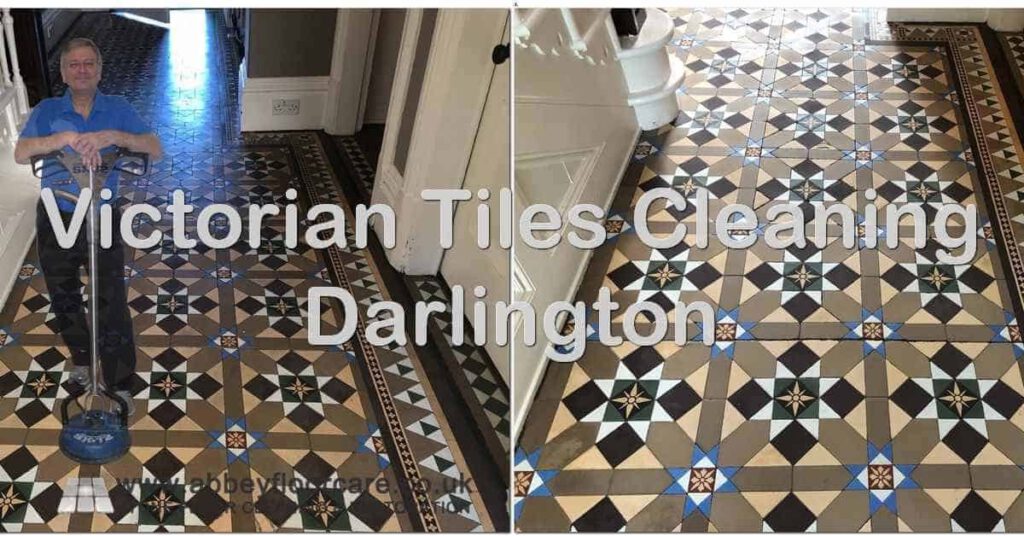
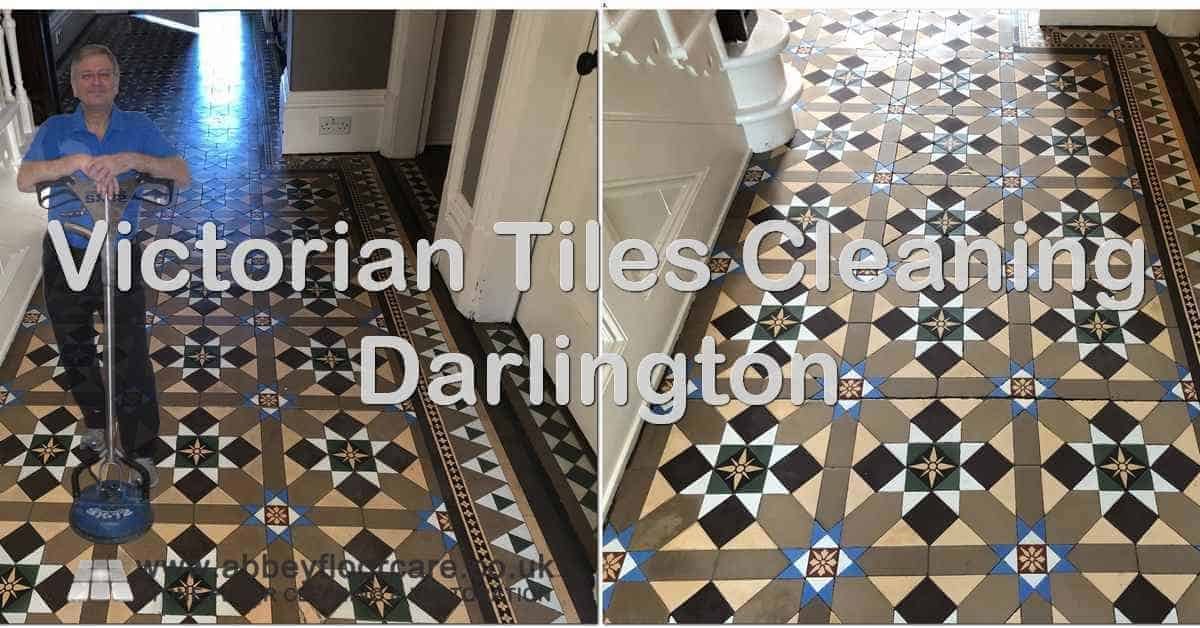
The Darlington Victorian tile floor suffered from peeling sealant and sticky patches, rendering it perpetually dull as old residue trapped unsightly dirt beneath its surface. By implementing targeted cleaning methods, we effectively removed the softened sealant, embedded soiling, and contaminated rinse water from the unglazed clay, all while ensuring no abrasive damage occurred. After the floor had dried adequately, a breathable protective finish was applied to restore its original matte look and enhance the delicate patterns.
This detailed account chronicles the floor’s transformation from a sticky, dark surface to a beautifully finished matte appearance that celebrates its inherent charm.
Exploring the Detrimental Effects of Peeling Sealant on Darlington’s Victorian Tile Aesthetics
Evaluating the Initial Condition of the Victorian Tiles
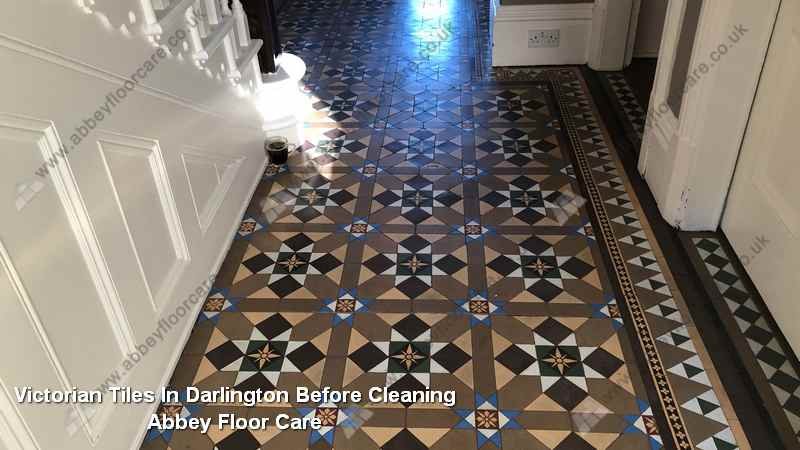
Peeling sealant and sticky surface patches indicated that old coating residue was entrapping grime in this Darlington hallway, far beyond the reach of typical cleaning methods. Despite the homeowner’s diligent efforts over the years, the surface remained dark due to the accumulation of dirty solutions, weakened sealants, and aged waxes that became embedded in the porous clay instead of being effectively removed.
Darlington boasts numerous late Victorian and Edwardian terraced homes, as well as interwar semi-detached properties and clusters of post-war housing. Many of these charming older buildings date back to the railway and industrial boom of the late 1800s and early 1900s. Victorian tile floors are commonly found in entrance hallways, vestibules, porches, and occasionally in kitchen extensions within these period properties, especially where original geometric or encaustic tiles remain intact beneath carpets or lino coverings. Darlington is situated in County Durham, in the North East of England, and falls under the Borough of Darlington, primarily associated with postcode districts DL1 and DL3.
The trapped residue was largely responsible for the hallway’s worn and uninviting appearance, detracting from the overall charm of the entrance area. The original sealant had begun to peel, undermining the surface coating’s ability to act as a barrier, while moisture trapped beneath the filthy film harboured contaminants instead of allowing the floor to revert to its clean state. This dull appearance following cleaning is a frequent issue we encounter with older clay floors, a situation also observed in the Derby Victorian tile cleaning case study, where effective cleaning only occurred once the softened residue was fully released and extracted, rather than merely redistributed across the surface.
Recognising the Main Challenges Faced by the Victorian Tile Surface
The deterioration of topical sealants occurs when a surface coating fails to protect the floor and instead begins trapping dirt, moisture, and residue beneath it. Homeowners often notice a dull appearance in high-traffic areas, sticky patches, staining, and an overall surface that seems dirty almost immediately after cleaning. For this Darlington floor, resolving the issue necessitated controlled stripping, rinsing, and extraction before considering any new protective measures.
Victorian encaustic and geometric tiles are clay-fired at high temperatures, resulting in a chemically stable surface that is physically vulnerable to abrasion and unsuitable for acidic cleaning agents. Aggressive scrubbing, harsh abrasive pads, wire wool, or acidic products could easily mar the historic tile surface, damage delicate edges, and force contamination deeper into the tile body. Surface blade removal was only suitable for hardened deposits such as paint splatters or raised spots, using small blades or chisels at a shallow angle to avoid pushing stains further into the clay.
We also investigated potential plaster contamination, as older construction work can leave stubborn dirt, adhesive, and plaster residue clinging to antique tiles and grout lines. In this instance, plaster contamination was not a primary concern, but distinguishing surface contamination from coating residue helped prevent the cleaning process from becoming unnecessarily aggressive. Paint and adhesive marks were treated as isolated surface contamination rather than justifying scraping the entire floor.
Loosened residue must be extracted before it dries back into the clay.
Executing a Comprehensive Cleaning Process for Exceptional Outcomes
Utilising controlled wetting techniques allowed the cleaning product to penetrate the soiled surface uniformly without flooding the old bedding layer beneath. Pre-wetting ensured that the tiles remained damp enough for effective product penetration while preventing excessive saturation that could activate salts, soak through bedding layers, or destabilise loose tiles. Equally important was mitigating the risk of product drying by working in manageable sections, maintaining surface activity, rinsing each stage thoroughly, and promptly extracting contaminated solutions.
A heavy-duty alkaline cleaner effectively softened waxes, ingrained grime, and old coating residue, allowing them to be released from the tile surface and its pores. The cleaner was applied neat where necessary and was manually agitated around delicate borders and worn edges before thorough rinsing. My experience indicates that stubborn dirt responds significantly better to dwell time and controlled agitation rather than brute force, which is critical for preserving historic clay.
The implementation of wet vacuum extraction proved essential, ensuring that contaminated rinse water did not settle back into the tile body. Slurry, rinse fluids, loosened soiling, and contaminated water were removed after every pass, and the floor was reassessed before proceeding further. This method of repeated-pass cleaning is akin to the approach observed in the Windsor Victorian clay tile residue project, where the floor appeared cleaner for a brief period before old residues clouded the surface once again.
Pressurised water vortex extraction was not necessary for this specific Darlington project; however, the same principles of moisture control were applicable. The focus was on neutral cleaning, thorough rinsing, extraction, and complete removal of suspended grime rather than introducing excessive water. The floor needed sufficient moisture to effectively carry contamination away without soaking through and disturbing the old permeable sub-floor.
Guaranteeing Adequate Drying and Application of Protective Finish
Controlling the drying process was vital for timing the application of the protective finish, as trapped moisture can lead to sealers whitening, peeling, or failing prematurely. The floor required complete drying before the sealing process could commence, and high-powered air movers could be introduced if additional airflow was necessary. A natural co-polymer seal can work effectively on certain internal Victorian floors after proper neutralisation and drying, providing a restrained matte or low-sheen appearance without suffocating the floor beneath a heavy film.
We opted for breathable protection to allow moisture to escape through the tile body while also aiding in resisting surface staining and dirt retention. Water beading during the protective check confirmed effective stain resistance without creating a thick topical layer. This moisture-aware approach is further explored in the guide to high-gloss sealer risks on Victorian hallway tiles, where trapped moisture, salt pressure, and film failure pose significant concerns for older floors.
A satin finish sealer or low-sheen enhancing system can deepen colour on internal geometric and encaustic tiles, provided the installation conditions allow for it. A properly restored Victorian tile floor should retain the appearance of fired clay with consistent colour and a clearly defined pattern, while a suitable topical finish—when appropriate—adds only a restrained protective sheen. The Darlington hallway preserved the look of the original period clay rather than adopting a modern plastic coating.
Why Does Your Old Hallway Tile Look Dirty Even After Thorough Mopping?
If your Victorian tile hallway consistently appears dirty after diligent mopping, it often results from the cleaning water merely redistributing residue rather than effectively removing it. The Darlington floor displayed dark traffic lanes because old sealants, waxes, and ingrained dirt had deteriorated beneath the surface. While standard household cleaners may temporarily lift surface grime, they are insufficient for extracting the contamination already lodged within the clay and grout lines.
Deep soiling alters the visual perception of the original pattern, as red, buff, and darker tiles gradually lose their contrast beneath a dirty surface film. The floor may seem cleaner while damp, but it dries back to a dull state as residue, grime, and softened coatings remain trapped within the porous structure of the tiles. Implementing proper long-term maintenance practices—such as pH-neutral cleaning, removing grit prior to wet mopping, and resealing at sensible intervals—is essential for prolonging the floor’s lifespan. Broader maintenance routines are addressed in the Victorian and Minton tile cleaning hub. It is imperative to avoid strong acidic cleaners, as they can roughen the clay surface and complicate future cleaning efforts.
How Did Hand Cleaning Techniques Successfully Remove Residue from the Victorian Tile Floor Without Flooding?
Repeatedly flooding an old Victorian tile floor can inadvertently push dirty moisture deeper into the bedding layer instead of safely lifting the residue away. This Darlington hallway required low-moisture cleaning techniques because old permeable sub-floors can retain dampness, activate salts, and destabilise tiles if excessive water is introduced. Hand cleaning around fragile edges minimised the lifting risk associated with heavier rotary cleaning while protecting areas already weakened by sealing failures.
Controlled cleaning methods effectively released the residue through damp pre-wetting, alkaline chemistry, manual agitation, and rapid wet vacuum extraction. The cleaning product remained active throughout the process, was manually agitated where machine pressure could harm vulnerable edges, and then rinsed and extracted before any contaminated slurry could dry back into the floor. This precise sequence was crucial, as it prevented dirty solutions from soaking into the bedding plane and ensured the floor dried evenly following cleaning.
Cleaning chemistry should loosen residue; extraction must remove it before saturation begins.
The completed cleaning significantly improved the floor’s condition, as the dark coating layer was removed rather than simply concealed beneath another finish. A professionally restored and properly sealed floor is much easier to clean and maintain than one suffering from failed coatings or ingrained residue. Related cleaning-led examples, such as Victorian tile floors that remain dirty after cleaning, illustrate the stark contrast between incomplete cleaning and effective residue extraction.
What Transformations Occurred in the Darlington Hallway After Restoring the Original Tile Colours?
The revival of pattern colour revitalised the hallway, allowing the cleaned clay to showcase the original contrast between red, buff, and darker geometric tiles once more. Before cleaning, the floor appeared sticky, flat, and fatigued, with residue dulling the pattern throughout the entire entrance area. Following the removal of the residue, the hallway regained clarity and original colour without resorting to artificial gloss.
The cleaned floor retained a natural matte appearance, highlighting clearer borders and significantly stronger colour separation. The breathable colour-enhancing impregnator penetrated the pores, providing practical protection, and was buffed away correctly, leaving no heavy film on the tile surface. Floors like this often appear better than they have in decades once the dark residue layer is thoroughly eradicated.
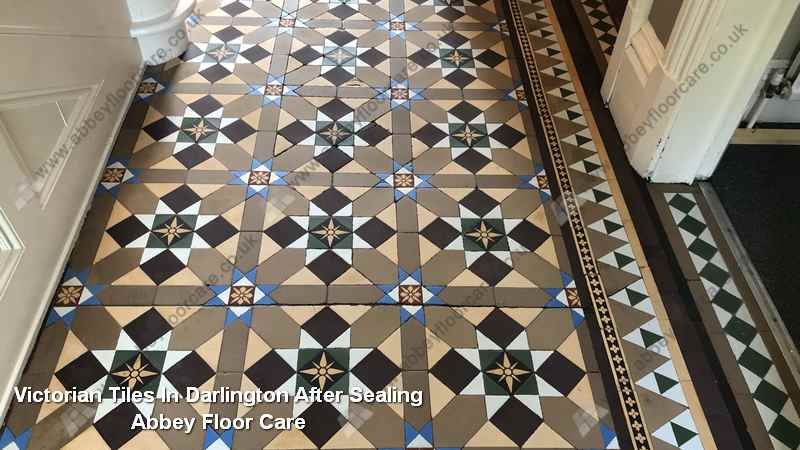
The finished hallway also became significantly easier to maintain; the surface was thoroughly cleaned before any protective measures were applied. Fresh dirt no longer settled into softened coating residue, and the restrained matte finish preserved the period character of the entrance. Similar colour-recovery behaviours can be compared with the Ovington Minton colour recovery project, where old coatings and adhesive residue also required removal before the original pattern could be clearly discerned once more.
Where Can You Find More Victorian Tile Cleaning Projects That Faced Similar Residue Issues?
Exploring additional Victorian tile cleaning projects allows homeowners to compare residue-related issues without turning this Darlington case study into a broader repair or restoration guide. The valuable comparisons lie not only in the before-and-after appearances but also in whether old coatings trapped contamination, if slurry was properly extracted, and whether the final protection suited the moisture behaviour of the underlying floor.
Cleaning-focused case studies maintain the spotlight on completed floors where residue, dull surface films, and trapped soiling were rectified within a controlled cleaning environment. The Blyth Victorian tiles cleaning project provides another example of a hallway where effective cleaning revealed hidden colour, while the Victorian and Minton tile cleaning hub consolidates diagnostic, cleaning, and aftercare guidance for older clay floors. These links offer broader context without reducing the Darlington page into a generic service template.

David Allen — Abbey Floor Care
David Allen has dedicated over 30 years to restoring Victorian and encaustic tile floors across the UK through :contentReference[oaicite:0]{index=0}. This Darlington case study illustrates how peeling sealant, sticky residue, and darkened hallway tiles were rectified through controlled cleaning, careful extraction, and breathable protection.
The article Dark Victorian Tile Cleaning Saved This Hallway was first found on https://www.abbeyfloorcare.co.uk
The Article Victorian Tile Cleaning Transformed This Dark Hallway appeared first on https://fabritec.org
The Article Victorian Tile Cleaning Revives a Dim Hallway Was Found On https://limitsofstrategy.com
The Article Victorian Tile Cleaning Transforms a Dull Hallway found first on https://electroquench.com