Discover Your Comprehensive Guide to Quick and Tasty Instant Pot Recipes
Which Essential Qualities Make Weeknight Dinners Perfect?

Crafting weeknight meals that strike the right balance between speed and flavour is crucial for families navigating hectic schedules. The ideal weeknight dish is one that requires straightforward preparation, utilises a handful of essential ingredients, and can be cooked within a mere 20 to 30 minutes. This streamlined approach not only alleviates stress but also fosters a nurturing family dinner atmosphere. Dishes that come together quickly tend to showcase well-rounded flavours and appealing textures, ensuring that every family member leaves the table satisfied, without the turmoil that often accompanies complex culinary techniques.
Opting for recipes that amplify taste while minimising effort is essential. For instance, a chicken curry can be prepared with just a selection of spices, chicken pieces, and a variety of vegetables, all simmered to perfection in under 30 minutes. Likewise, vegetable stir-fries and one-pot pasta meals can be assembled quickly using fresh ingredients, yielding impressive flavours that keep family members coming back for seconds. The overarching aim is to ensure evenings are stress-free while enjoying hearty and nutritious dinners together.
What Essential Features Should You Look for in Quality Instant Pot Recipes?
When exploring Instant Pot recipes, several critical features emerge as vital for a seamless cooking experience. Primarily, simplicity is of utmost importance. Recipes ought to be user-friendly, requiring minimal prior experience or complicated culinary techniques. Secondly, versatility is key; recipes should allow for adjustments to cater to individual tastes or dietary restrictions.
Here’s a bullet-point list of essential ingredients that not only amplify flavour but also offer notable health benefits:
- Olive oil or avocado oil to provide healthy fats
- Fresh herbs like basil or parsley for flavour enhancement
- Canned tomatoes to create a rich base
- Legumes such as lentils or beans for additional protein
- Whole grains like quinoa or brown rice for dietary fibre
- Seasonings such as garlic powder and paprika to add depth
- Frozen vegetables for added convenience
- Lean proteins like chicken breast or fish for quick cooking
These ingredients not only enhance the taste profile of your meals but also ensure that meal preparations remain straightforward, making the cooking experience less intimidating for those leading busy lives.
Why Should You Embrace the Instant Pot as Your Preferred Cooking Appliance?
The Instant Pot transforms the landscape of home cooking, presenting a multitude of advantages that align seamlessly with the requirements of contemporary, fast-paced lifestyles. A standout feature is its remarkable cooking speed, which significantly reduces preparation time without compromising nutritional integrity. By harnessing the power of pressure cooking, the Instant Pot can convert tough ingredients into tender, flavourful dishes in a fraction of the time compared to traditional cooking methods, making it an invaluable asset for weeknight dinners.
Beyond its speed, it promotes energy efficiency. The Instant Pot generally consumes less electricity than conventional ovens and stovetops, rendering it a more environmentally friendly choice for eco-conscious cooks. This capability not only saves time but also encourages healthier eating habits. Meals can be assembled quickly, allowing families to enjoy wholesome options instead of resorting to takeout or processed foods. Additionally, the simplicity of cleanup is another major advantage; most components can be effortlessly washed in a dishwasher or by hand, greatly reducing post-meal tidying time.
What Varied Meal Ideas Can You Create with the Instant Pot?
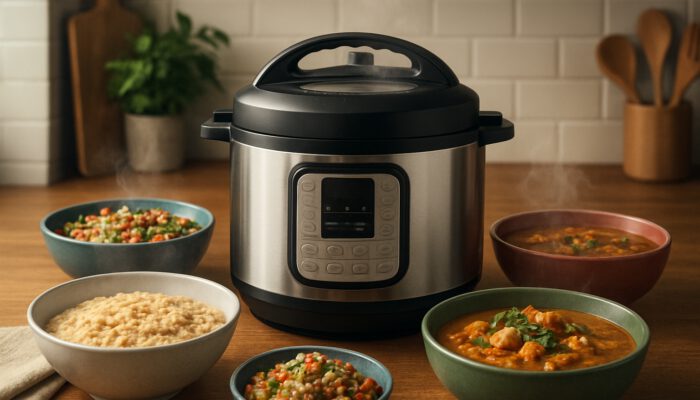
The Instant Pot unveils a wide array of meal possibilities, catering to various tastes and dietary requirements. Breakfast options such as oatmeal, which can be prepared overnight, offer a nourishing and effortless start to the day. For lunch, quinoa salads can be batch-cooked and stored, while soup recipes deliver warmth and comfort on chilly evenings.
Dinner can evolve into a culinary adventure, featuring everything from comforting stews to zesty curries. The flexibility of the Instant Pot ensures it accommodates different dietary preferences, whether someone adheres to a vegetarian, gluten-free, or high-protein diet. Encouraging experimentation with ingredients may lead to exciting combinations that transform weeknight meals into healthy yet enjoyable experiences for busy families.
In What Ways Does the Instant Pot Transform Your Weeknight Cooking Experience?
Which Core Functions Should You Master for Effective Use?
Grasping the core functions of the Instant Pot can dramatically simplify your weeknight cooking routine. The primary operations include pressure cooking, sautéing, and steaming, all of which contribute to reducing both preparation time and effort. Pressure cooking is particularly transformative, enabling raw ingredients to be turned into fully cooked meals in under 30 minutes. For instance, a beef stew can transition from raw to melt-in-your-mouth tender, all while preserving the rich flavours of herbs and spices.
Sautéing is another essential technique that allows for the browning of proteins and vegetables before pressure cooking. This method enhances the overall flavour of the dish, as the Maillard reaction contributes depth and complexity. Steaming is perfect for cooking vegetables rapidly while ensuring their nutrients and vibrant colours are retained. By mastering these basic functions, home cooks can elevate their meal preparations, crafting balanced dishes that cater to their family’s unique tastes without the extended cooking times associated with traditional methods.
What Effective Strategies Can Optimise Your Meal Planning?
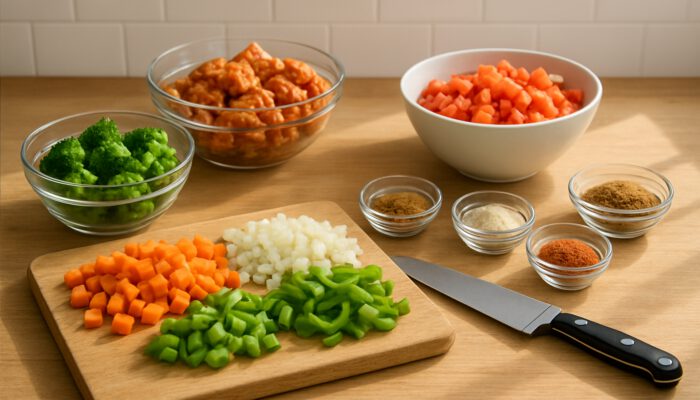
Implementing effective meal planning can transform the cooking experience for busy individuals seeking to simplify their kitchen routines. Begin by organising your ingredients in advance. This could involve pre-chopping vegetables, marinating proteins, or portioning out spices to ensure everything is readily available when it comes time to cook. A well-structured plan minimises chaos as dinnertime approaches, allowing you to focus on enjoying the meal rather than scrambling to prepare it.
Another vital aspect is portion control. Understanding the correct quantities helps reduce waste while guaranteeing satisfaction. This strategy allows for variety in meals while keeping preparation efforts manageable. Including a mix of staple recipes that can easily adapt to seasonal or leftover ingredients ensures meals remain exciting and enjoyable. By planning meals ahead of time, you can avoid the last-minute rush for dinner, transforming weeknight cooking into a more pleasant and relaxed experience.
What Common Mistakes Should You Steer Clear of When Using Instant Pot Recipes?
Steering clear of common errors in Instant Pot recipes can significantly enhance your cooking results and lead to a more gratifying experience. One frequent mistake is overfilling the pot, which can lead to uneven cooking, resulting in some ingredients being overcooked while others remain underdone. It is crucial to adhere to the manufacturer’s guidelines regarding maximum fill levels to ensure consistent and successful outcomes.
Another prevalent error is neglecting to utilise the natural release function when appropriate. This essential step helps retain moisture and intensifies the flavours of your dish. Additionally, misjudging cooking times can result in meals that are either overcooked or undercooked. Familiarising yourself with the cooking durations for various ingredients will lead to improved outcomes. By being mindful of these common pitfalls, home cooks can cultivate a more successful and rewarding Instant Pot experience.
Expert Insights on Cooking with the Instant Pot
What Best Practices Should You Adhere to When Selecting Ingredients?
Choosing the right ingredients can have a substantial effect on the flavour and nutritional profile of your Instant Pot dishes. Selecting fresh produce not only heightens taste but also enhances the overall quality of the meal. When shopping, aim for seasonal fruits and vegetables that are at their peak, as these typically provide the best flavours and nutrients.
Incorporating a variety of proteins, such as chicken, fish, or plant-based options like tofu, ensures a well-rounded diet. Pairing these proteins with grains and legumes can create meals that are both hearty and satisfying. For instance, a dish featuring quinoa, black beans, and roasted vegetables offers a delightful range of textures while ensuring a comprehensive nutrient profile. By utilising combinations of ingredients that complement each other in both flavour and texture, home cooks can quickly prepare nutritious meals that excite the whole family at dinner time.
How Can You Creatively Tailor Flavours in Your Dishes?
Customising flavours in your Instant Pot meals fosters creativity while ensuring that dishes cater to diverse palates. A practical approach is to tweak seasonings based on individual preferences. For example, if someone enjoys a bit of spice, adding crushed red pepper or a splash of hot sauce can transform a dish. Conversely, those who favour milder flavours can rely on herbs such as thyme or oregano for a gentler touch.
Another effective method to enhance flavour is through layering ingredients. Initiating the process with aromatics like onions and garlic can create a foundational flavour that permeates the entire meal. Adding spices at different stages of cooking also allows for a more intricate taste profile. By experimenting with diverse combinations and techniques, meal preparation can remain fresh and exciting while catering to individual preferences.
What Advanced Techniques Can Enhance Your Cooking Results?
For those eager to elevate their Instant Pot cooking skills, mastering advanced techniques can lead to superior meal quality. One such technique involves the proper layering of ingredients. Placing heartier items like potatoes at the bottom of the pot and more delicate vegetables on top ensures even cooking without overcooking the tender ingredients.
Timing and pressure settings also play a crucial role in achieving desired results. Understanding how different foods respond to pressure cooking can significantly impact the final outcome. For instance, foods like grains may require different settings compared to tougher cuts of meat. Recognising these subtleties allows for precise execution, consistently leading to high-quality meals. Investing time in mastering these advanced techniques can enhance the cooking experience and yield delicious results.
What Safety and Maintenance Protocols Should You Observe for Your Instant Pot?
Safety is paramount when using an Instant Pot, and understanding essential protocols is crucial for reliable operation. Always ensure that the pressure valve is functioning correctly and never attempt to force the lid open while the pot is under pressure. Familiarising yourself with the various safety features of the Instant Pot can prevent accidents and enhance your cooking experience.
Routine maintenance is equally important. After each use, thoroughly clean the sealing ring and the inner pot to prevent residue buildup. Regularly inspecting components for any damage or wear ensures that the Instant Pot operates efficiently and safely for years to come. By adhering to these safety and maintenance guidelines, home cooks can enjoy peace of mind while preparing nutritious meals for their families.
How Can You Seamlessly Integrate Instant Pot Meals into Your Weekly Routine?
Incorporating Instant Pot recipes into your weekly meal plans can streamline cooking and promote healthy eating habits. Start by identifying a selection of staple recipes that can be effortlessly modified to suit varying tastes or dietary needs. This adaptability allows for a balanced approach to meal preparation while catering to diverse preferences without overwhelming the cook.
Scheduling prep times in advance can have a significant impact. Designate specific days for meal prep, ensuring that ingredients are prepped and ready to go when it is time to cook. This eliminates the last-minute rush and cultivates a more organised kitchen environment. By adapting to family preferences and balancing variety with nutritional needs, home cooks can effortlessly incorporate the Instant Pot into their routines for quicker, healthier dinners throughout the week.
Research-Backed Advantages of Using the Instant Pot
How Does the Instant Pot Efficiently Preserve Nutrients?
The Instant Pot is designed to effectively preserve nutrients throughout the cooking process, which is paramount for retaining the health benefits of food. By employing high-pressure cooking methods, cooking time is dramatically reduced, preventing the loss of vitamins and minerals that often occurs with prolonged cooking techniques. For example, steaming vegetables in an Instant Pot maintains their vibrant colours and essential nutrients, ensuring that meals are not only delicious but also nourishing.
Furthermore, the sealed environment of the Instant Pot requires less water for cooking, which further aids in preserving nutrient content. To maximise health benefits, home cooks should strive to use minimal oil and opt for fresh ingredients whenever possible. The benefits of using the Instant Pot entail:
- Reduced oil usage for lighter and healthier meals
- Enhanced retention of vitamins and minerals
- Faster cooking times preserving nutrient density
- Ability to cook a variety of foods efficiently
By understanding how the Instant Pot preserves nutrients, cooks can make informed choices that align with their health goals while preparing quick, satisfying meals.
How Does the Instant Pot Broaden Meal Variety and Inspire Creativity?
The versatility of the Instant Pot encourages an expansive range of meal options, significantly enhancing creativity in the kitchen. With various functions, including sauté, slow cook, and pressure cook, home cooks can delve into diverse recipes they may not have explored previously. For instance, preparing a hearty chili one evening and a delicate risotto the next showcases the appliance’s adaptability.
Practical steps for safe experimentation include initially following established recipes while gradually modifying them to align better with personal tastes. Introducing new ingredients or adjusting cooking durations can lead to delightful discoveries. By embracing the multifunctionality of the Instant Pot, one can cultivate an innovative approach to weeknight dining that keeps meals fresh and engaging.
What Long-Term Benefits Can Home Cooks Expect from Using an Instant Pot?
Incorporating the Instant Pot into your daily cooking practices can yield numerous long-term advantages. A significant benefit is energy savings, as the appliance typically consumes less electricity compared to conventional ovens and stoves. This efficiency not only lowers utility bills but also promotes more frequent home cooking, thereby enhancing overall lifestyle quality.
Moreover, the convenience of the Instant Pot simplifies meal preparation, leading to enduring improvements in cooking efficiency and enjoyment. By making healthy, delicious meals more accessible, it fosters a lifestyle focused on nutritious eating habits. Over time, this can translate into better health outcomes and a greater appreciation for home-cooked meals. Embracing the Instant Pot as a primary cooking tool can transform weeknight dinners into a seamless and enjoyable experience.
Which Ingredients Can Elevate Your Weeknight Meals?
How Can You Achieve an Ideal Balance of Proteins and Vegetables?
Striking a balance between proteins and vegetables in weeknight meals is essential for optimal nutrition. Incorporating quick-cook options, such as chicken breast, fish, or legumes, alongside a vibrant assortment of vegetables creates dishes that are both satisfying and nutritious. For instance, a stir-fry featuring sliced chicken, bell peppers, and broccoli not only provides a well-rounded meal but also offers a delightful combination of textures and flavours.
To achieve harmony in textures, pay attention to the cooking times of each ingredient. For example, add heartier vegetables like carrots or zucchini at the beginning, while softer options like spinach can be introduced later on. This technique ensures that everything reaches the ideal level of doneness. By doing so, home cooks can create visually appealing and nutritionally balanced dinners that delight the palate and nourish the body.
What Strategies Can Help You Utilise Staples More Effectively?
Maximising the use of staple ingredients is vital for creating quick and nutritious meals. Common items like grains, legumes, and canned goods can be transformed into delightful dishes with minimal effort. For example, having quinoa, brown rice, or lentils readily available ensures that quick, filling bases can be prepared swiftly, providing a solid foundation for a variety of meals.
Incorporating fresh herbs can elevate the flavour of these staples, making them more enticing. Herbs such as cilantro, parsley, or basil can bring freshness and vibrancy to otherwise straightforward dishes. Creative integration of these common staples not only enhances flavours but also keeps meals interesting and diverse, even on the busiest of nights.
What Substitutions Can You Implement to Cater to Dietary Preferences?
Accommodating dietary preferences through thoughtful ingredient substitutions can elevate weeknight cooking. For instance, using chickpeas or lentils instead of traditional meat options can cater to vegetarian or vegan diets while still providing ample protein. Similarly, gluten-free grains such as quinoa or rice can replace pasta or couscous, ensuring that all dietary needs are met without sacrificing flavour.
Being mindful of these alternatives promotes adaptability in meal planning, allowing for customised options that cater to everyone at the table. By exploring various substitutions, home cooks can maintain the integrity of their dishes while promoting inclusivity in their dining experiences, ensuring that all family members can enjoy nutritious and satisfying meals.
How Can You Incorporate Quick-Cook Ingredients for Enhanced Efficiency?
Selecting quick-cook ingredients is vital for boosting efficiency in weeknight cooking. Opting for pre-chopped vegetables, instant grains, or canned beans can significantly reduce preparation time. For instance, using frozen mixed vegetables that can be directly added to a stir-fry or soup simplifies the process of incorporating healthy options without lengthy prep work.
To balance speed and quality, choose high-quality pre-packaged items that complement your overall meal plan. By keeping a stock of these quick-cook ingredients readily available, meal preparation becomes effortless, allowing for nutritious and flavourful dinners to be served with minimal effort, transforming weeknight cooking from a chore into an enjoyable experience.
How Can You Use Herbs and Spices to Amplify Flavour?
Herbs and spices possess the remarkable ability to elevate basic weeknight meals into flavourful culinary experiences. Fresh herbs such as basil, cilantro, and thyme can invigorate dishes, while dried spices like cumin, paprika, and turmeric contribute depth and warmth. The key lies in incorporating these flavour enhancers without significantly extending cooking time.
To maximise their impact, consider combining herbs and spices strategically. For instance, sautéing garlic and onions before adding them to a dish creates a robust base, while finishing with fresh herbs adds vibrancy and an enticing aroma. Proper storage of herbs and spices is crucial; keeping them in airtight containers away from light preserves their potency. By harnessing these flavourful additions, home cooks can elevate their weeknight meals without increasing complexity or time.
Effective Strategies for Streamlined Weeknight Dinners
What Techniques Can You Implement to Accelerate Preparation Time?
Accelerating preparation time is vital for a seamless weeknight cooking experience. One effective technique involves investing in quality kitchen tools that enhance efficiency. Sharp knives for quick chopping and mandolins for slicing vegetables can save valuable minutes during prep. Additionally, utilising kitchen gadgets like food processors can expedite tasks such as shredding cheese or chopping herbs.
Another effective strategy is to practice mise en place, which means preparing and organising all ingredients before you commence cooking. This proactive approach allows home cooks to concentrate solely on the cooking process, minimising stress and reducing the likelihood of overlooking key components. By adopting these strategies, meal preparation becomes quicker and more enjoyable, paving the way for delightful weeknight dinners.
How Can You Preserve Flavour in Quick-Cooking Recipes?
Maintaining flavour while cooking quickly is crucial in weeknight meal preparation. One effective method involves layering spices and seasonings throughout the cooking process. This technique ensures that every element of the dish is seasoned effectively, resulting in a harmonious blend of flavours. For example, adding spices at various stages allows for the development of depth, enhancing the overall taste.
Utilising finishing touches, such as a squeeze of lemon or a sprinkle of fresh herbs just before serving, can elevate the dish without requiring substantial additional time. By focusing on these flavour-enhancing techniques, home cooks can uphold the integrity of their meals even when time is limited, ensuring consistently appealing results each night.
What Best Practices Should You Follow for Storing and Reheating Leftovers?
Proper storage and reheating of leftovers are essential for keeping meals fresh and enjoyable. Store cooked meals in airtight containers to preserve flavour and prevent contamination. For optimal freshness, refrigerate or freeze leftovers promptly, ideally within two hours of cooking.
When reheating, using the Instant Pot can be a beneficial method. The ‘sauté’ function allows for gentle reheating, preventing food from drying out. Alternatively, a microwave with a moisture-retaining cover can effectively reheat portions without sacrificing quality. By implementing proper storage and reheating practices, home cooks can enjoy convenient meals that taste just as delightful as when they were initially prepared.
What Efficient Meal Planning Strategies Can You Embrace?
Efficient meal planning can significantly alleviate the stress associated with weeknight dinners. One effective strategy is to create a shopping list based on your weekly recipes to ensure that all necessary ingredients are readily available. This not only saves time during grocery shopping but also minimises unnecessary trips to the store throughout the week.
Choosing a mix of quick recipes alongside longer-cooking items, such as stews that can be prepared in bulk, allows for flexibility in planning. Additionally, planning for leftovers can be advantageous; meals that can be repurposed into new dishes the following day provide variety without added effort. By implementing these strategies, home cooks can create a structured and organised meal plan, leading to smoother and less stressful dinner preparations.
How Can Batch Cooking Techniques Enhance Your Meal Prep?
Batch cooking is an effective method for minimising daily kitchen tasks while ensuring access to nutritious meals. Preparing multiple servings of a single recipe at once, such as a large pot of chili or soup, facilitates easy reheating throughout the week. This strategy saves time and maintains meal variety by enabling the use of different sides or toppings.
To maximise the effectiveness of batch cooking, select recipes that freeze well, allowing for longer-term storage of meals. Labeling containers with dates and meal types can streamline the process, making it easy to choose what to reheat for dinner. By incorporating batch cooking techniques into your weekly routine, home cooks can enhance efficiency while ensuring delicious and healthy meals are always on hand, leading to a more enjoyable dining experience.
Frequently Asked Questions About Cooking with the Instant Pot
What Is an Instant Pot, and How Does It Operate?
An Instant Pot is a versatile multi-functional cooking appliance that combines the capabilities of a pressure cooker, slow cooker, rice cooker, steamer, sauté pan, and even a yogurt maker, making it an incredibly efficient tool for weeknight cooking.
How Long Does It Typically Take to Cook Meals in an Instant Pot?
Cooking times can vary, but many meals can be prepared in as little as 20 to 30 minutes in an Instant Pot, thanks to its pressure cooking capabilities that greatly expedite the cooking process.
Can You Cook Frozen Food in an Instant Pot?
Yes, the Instant Pot can cook frozen food without the need for thawing. However, cooking times may be longer than for fresh ingredients, so adjustments may be necessary.
What Are Some Simple Recipes to Start With in an Instant Pot?
Begin with straightforward recipes like chicken soup, vegetable stir-fry, or one-pot pasta dishes. These meals are simple and ideal for practising basic Instant Pot techniques.
Is It Safe for Beginners to Use an Instant Pot?
Absolutely! The Instant Pot is designed with multiple safety features, including a safety lock and pressure release valve, making it a safe appliance for beginners to use when following the proper guidelines.
What Breakfast Options Can I Prepare in an Instant Pot?
Breakfast options include oatmeal, hard-boiled eggs, or frittatas. These meals are quick and nutritious, providing a great start to the day.
How Should I Clean My Instant Pot?
Clean the inner pot, lid, and sealing ring with warm soapy water after each use. The inner pot is typically dishwasher-safe, while the lid requires hand washing to maintain its integrity.
Can I Use Metal Utensils in the Instant Pot?
It is advisable to use silicone, wooden, or plastic utensils to avoid scratching the non-stick surface of the inner pot. This ensures longevity and optimal cooking performance.
How Do I Adjust Recipes from Traditional Cooking to the Instant Pot?
When modifying traditional recipes, reduce the cooking time by about two-thirds and increase the liquid content, as pressure cooking necessitates moisture to generate steam.
Are Meals Prepared in an Instant Pot Healthy?
Yes, meals prepared in an Instant Pot can be very healthy as they often require less oil and can retain more nutrients due to shorter cooking times. You can easily incorporate fresh ingredients for balanced nutrition.
Join our Facebook community for more fun and tips!
The post Best Instant Pot Meals for Weeknights: Quick and Easy Recipes appeared first on https://cookinggods.com
The Article Instant Pot Meals: Quick and Easy Weeknight Recipes Was Found On https://limitsofstrategy.com