Identifying Key Traits of Stubborn Dogs for Effective Training
What Distinctive Traits Reveal a Dog's Stubbornness?
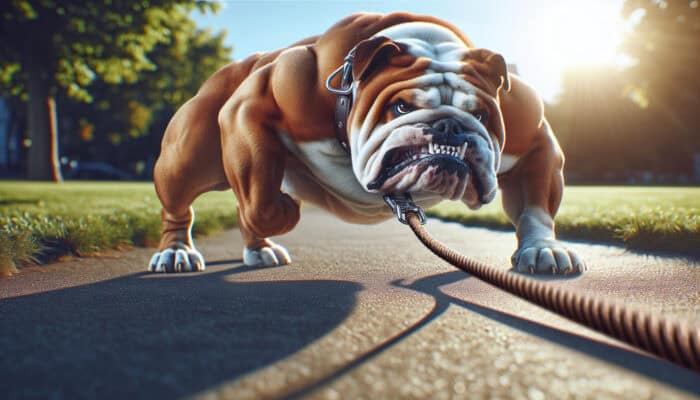
Recognising how to spot a stubborn dog is essential for effective training strategies. Dog owners should be vigilant for specific behavioural traits that may signal potential training challenges. Common indicators include a consistent refusal to obey commands, an abundance of energy that may manifest as hyperactivity, and a marked tendency to disregard cues from their owners. For example, if your dog frequently tugs on their leash during walks or turns away when called, these behaviours highlight a reluctance to comply. Identifying these signs early equips owners to tackle training issues proactively, which can significantly enhance training success and strengthen the human-animal bond.
Necessary Training Tools for Successful Outcomes
Having the appropriate tools is vital for improving the success rates of obedience classes for stubborn dogs. Essential items that every dog owner should consider acquiring include robust leashes, high-value treats that effectively motivate, clickers for sound-based reinforcement, and specialised training collars. Each of these tools plays a crucial role in managing stubborn behaviours by creating a structured environment conducive to learning and engagement. For instance, using a clicker helps establish a clear link between positive actions and rewards, which encourages your dog to actively participate in training sessions. This proactive approach can lead to significantly more successful training experiences and reinforce desired behaviours.
Establishing a Consistent Daily Routine at Home
Creating a dependable daily routine at home is vital for reinforcing the lessons learned during obedience classes. Regular interactions and structured activities help maintain your dog's focus while reducing instances of defiance. Key activities that can support this routine include:
- Regular short walks to help expend excess energy
- Interactive play sessions designed to promote engagement
- Routine training drills to reinforce learned commands effectively
- Consistent meal times to create a sense of structure
By incorporating these practices into your daily life, you can ensure that your dog remains aligned with the training objectives established in class. This approach ultimately cultivates a more obedient and well-adjusted pet, paving the way for a harmonious living environment.
How Can You Detect Signs of Stubborn Behaviour in Dogs?

Recognising Common Signs of Stubbornness
Identifying early signs of stubbornness in dogs is essential for effective training outcomes. Typical behaviours that may suggest stubbornness include ignoring verbal commands, excessive barking, and pulling on the leash during walks. Recognising these signals early enables owners to intervene before these habits become deeply ingrained. Observational techniques, such as being attentive to your dog's reactions to verbal cues and environmental distractions, can be very helpful. Early, consistent intervention through training can redirect stubborn tendencies before they escalate into more serious behavioural issues.
Understanding Influential Factors Affecting Dog Behaviour
Multiple factors can contribute to a dog's stubbornness, including breed characteristics, environmental stimuli, and previous experiences. Certain breeds, such as terriers, may exhibit more independent or stubborn behaviours, complicating training efforts. Furthermore, environmental influences like loud noises or the presence of other animals can distract your dog, rendering training more challenging. Owners can mitigate these influences by practising consistently and gradually exposing their dogs to diverse settings, which helps them adapt effectively to training conditions.
Steps for Conducting an Initial Assessment at Home

Conducting an initial assessment at home is a proactive step that prepares dog owners for their obedience classes. This process involves closely observing your dog's reactions to basic commands and pinpointing any areas of resistance. Maintaining a training journal can simplify this task, allowing you to track your dog's behaviour across various situations and respond effectively. This proactive approach provides you with valuable insights, ensuring that you enter classes equipped to address your dog's unique challenges, thus enabling trainers to tailor their methods appropriately.
When Should You Seek Professional Help for Your Dog?
Understanding when your dog's stubbornness may signal deeper behavioural issues is crucial for their overall well-being. Signs such as extreme aggression, persistent fear in unfamiliar environments, or sudden behavioural changes can indicate underlying medical conditions or anxiety. If these behaviours persist despite consistent training efforts, it is essential to consult with a veterinarian or a professional trainer. Timely intervention not only prevents the worsening of behaviours but also supports your dog's overall mental and physical health, ensuring a happier and healthier pet.
Expert Insights on Obedience Classes for Stubborn Dogs
Effective Techniques Employed by Professional Trainers
Professional trainers utilise a variety of effective techniques to address stubbornness in dogs during obedience classes. Approaches such as the “Nothing in Life is Free” strategy encourage dogs to earn their rewards by complying with commands. For instance, before a dog receives a treat, it must first sit or perform another action. This methodology not only diminishes stubbornness but also reinforces the concept that compliance leads to positive outcomes. Trainers frequently share success stories of previously stubborn dogs that have transformed through the consistent application of these techniques, inspiring hope and motivation for dog owners.
Implementing Advanced Handling Techniques for Enhanced Training
Incorporating advanced handling techniques can significantly elevate the effectiveness of obedience classes. Experts recommend personalising training approaches based on each dog's distinctive behaviour patterns. For example, combining rewards with corrections can teach dogs about the boundaries of acceptable behaviour. It is essential to use rewards that genuinely motivate your dog, such as their favourite treats or enjoyable playtime. This strategic integration keeps dogs engaged and responsive throughout training sessions, enhancing overall effectiveness and ensuring lasting behavioural change.
Long-Term Strategies for Sustained Success from Experts
To maintain the progress made in obedience classes, ongoing support and reinforcement are crucial. Experts emphasise the importance of regular practice and consistent application of commands in everyday situations. For example, incorporating commands into routine activities—such as asking your dog to sit before meals or to stay while you prepare their food—can solidify learned behaviours. Additionally, seeking advanced classes or training workshops can introduce fresh strategies to keep your dog engaged, ensuring that their obedience remains strong over the long term.
Proven Techniques for Training Stubborn Dogs
Effectively Introducing Basic Commands
Starting with fundamental commands is essential for establishing a solid training foundation. Commands such as “sit,” “stay,” and “come” create the groundwork for more complex behaviours. Employing progressive methods—such as rewarding with treats and praise for correct responses—can effectively reinforce these commands. Repetition is especially important for stubborn dogs, as they may require additional time to grasp concepts fully. Practising these commands frequently in brief, engaging sessions will ensure your dog understands and responds reliably, ultimately leading to a more obedient companion.
Harnessing Positive Reinforcement Strategies for Training
Positive reinforcement stands out as a powerful training approach for stubborn dogs. Unlike punitive measures, rewarding desirable behaviours motivates dogs to repeat those actions. During obedience classes, trainers often emphasise the use of high-value treats and enthusiastic praise as effective motivators. For example, rewarding your dog with their favourite treat, accompanied by verbal praise when they successfully follow a command, creates a positive association. This method not only enhances learning but also strengthens the bond between the owner and the dog, making the training experience rewarding and enjoyable for both parties.
Effectively Managing Distractions During Training Sessions
Effectively managing distractions during training sessions is crucial for stubborn dogs. Techniques such as desensitisation and gradual exposure can significantly aid dogs in learning to focus despite external stimuli. For instance, beginning training in a quiet environment and progressively introducing distractions—like other dogs or noises—can teach your dog to remain attentive. Exercises like “Leave It” are also beneficial, as they instruct dogs to ignore distractions and concentrate on commands, ultimately improving their training experience and overall behaviour.
What Benefits Do Obedience Classes Provide?
Strengthening the Bond Between Owners and Their Dogs
Obedience classes play a pivotal role in enhancing the bond between owners and their dogs. By fostering trust and understanding, these classes alleviate frustration and improve communication. As owners learn to interpret their dog's signals effectively, they can respond appropriately, leading to a more harmonious living environment. The mutual understanding cultivated during training sessions often results in a deeper emotional connection, benefiting both the pet and the owner and promoting a more fulfilling relationship.
Increased Safety and Control for Dog Owners
Safety represents a significant advantage of participating in obedience classes. Dogs that reliably respond to commands can help prevent accidents and dangerous situations. For example, a dog that consistently recalls when called is less likely to dash into traffic or engage in aggressive encounters with other dogs. Training classes equip owners with the necessary tools to establish control over their pet’s behaviour, significantly reducing risks in daily environments and providing peace of mind for dog owners.
Overall Improvements in Dog Behaviour Through Training
Engaging in obedience classes can lead to notable improvements in a dog’s overall behaviour. Owners frequently observe a decrease in destructive habits and an increase in desirable social skills. Well-trained dogs are generally easier to manage in public spaces, making activities like walks or visits to the park much more enjoyable. As dogs learn appropriate interactions with other animals and people, their contentment increases, contributing to a happier and more balanced home life.
Research-Supported Strategies for Obedience Classes for Stubborn Dogs
Implementing Evidence-Based Training Approaches
Incorporating research-driven strategies into training enhances the effectiveness of obedience classes for stubborn dogs. For instance, studies indicate that reward-based training yields superior results compared to aversive methods. Trainers often apply these evidence-based techniques during classes, focusing on methods that encourage positive behaviours rather than punishing negative actions. This scientific approach not only improves training outcomes but also fosters a positive learning environment for dogs, enhancing their willingness to engage in the training process.
Tracking Progress Through Scientific Evaluation Methods
Monitoring progress during training sessions is essential for evaluating the effectiveness of the methods employed. Experts recommend maintaining a training journal to document behavioural changes and command accuracy. Observing and noting specific milestones—such as successful command responses or improved focus in distracting environments—enables owners and trainers to assess growth over time. This objective measurement of progress allows for timely adjustments to the training plan, ensuring continuous success for both the dog and the owner.
Customising Training Strategies to Meet Individual Dog Needs
Each dog is unique, and tailoring training strategies to meet individual needs is vital for success. Research supports the idea that customising training techniques based on a dog's specific stubborn behaviours results in more effective training outcomes. For example, a dog struggling with impulse control might benefit from additional practice in controlled environments. Identifying these needs and adapting approaches accordingly ensures that every dog can excel in their training experience, leading to improved behavioural outcomes.
Ensuring Long-Term Obedience and Training Success
Why Consistency is Crucial in Dog Training
Consistency serves as the bedrock of successful dog training. Regular practice reinforces the lessons learned in obedience classes, helping to prevent regression in behaviour. Owners should engage in daily training sessions to maintain their dog's responsiveness to commands, which fortifies their learning. This ongoing reinforcement ensures that the lessons from classes stay fresh and effective in everyday situations, ultimately promoting a well-behaved and obedient pet.
The Importance of Periodically Refreshing Training Skills
To keep obedience skills sharp, periodic reviews are essential. Owners should schedule training refreshers to revisit important commands and behaviours regularly. Suggested ideas for structuring these refreshers include:
- Weekly practice sessions to reinforce learning
- Monthly training workshops for advanced techniques
- Bi-weekly outings to practice in public settings
- Daily reinforcement during routine activities
These refreshers are vital for maintaining obedience over time, ensuring that dogs remain engaged and responsive across various environments and situations.
Effectively Addressing Training Setbacks
Setbacks are a natural component of the training journey, particularly with stubborn dogs. Identifying the triggers that lead to regression is crucial for effective troubleshooting. Strategies may involve revisiting foundational commands or altering the training environment to minimise distractions. Maintaining a positive attitude and exercising patience with your dog during these setbacks is essential, as it fosters resilience and encourages continuous progress throughout the training process.
How Can You Measure the Success of Your Dog’s Training?
Identifying Key Milestones in Dog Training Progress
Tracking key milestones is pivotal for understanding your dog's training progress. Important indicators such as command accuracy, responsiveness during distractions, and overall behavioural improvements serve as benchmarks for success. Establishing clear milestones enables owners to assess their dog's development effectively. For instance, regularly asking your dog to perform a command and observing their response can reveal how well they retain learned behaviours and adapt to new challenges.
Evaluating Your Dog's Response Over Time
To assess true behavioural change, it is crucial to consistently observe your dog’s responses over time. Identifying patterns in behaviour, such as reliability in following commands, can highlight significant progress. Implementing regular assessments, such as routine training sessions or evaluations by a professional trainer, provides a structured framework for measuring sustained improvements and allows for timely adjustments to training methods as needed.
Celebrating Achievements to Reinforce Training Success
Recognising and celebrating achievements plays a significant role in reinforcing positive outcomes in training. Acknowledging milestones, whether large or small, motivates continued obedience from stubborn dogs. Owners can celebrate their dog’s success through treats, additional playtime, or enthusiastic verbal praise, thereby reinforcing the connection between good behaviour and rewards. This practice not only strengthens the bond between owner and dog but also encourages dogs to strive for further success in their training journey.
Utilising Advanced Tools for Comprehensive Progress Tracking
Integrating advanced tools, such as training apps and wearable devices, can significantly enhance the measurement of your dog's training progress. These technologies facilitate real-time data collection, enabling owners to analyse behavioural patterns and training responsiveness effectively. By leveraging these tools, owners can make informed adjustments to their training strategies, optimising outcomes and ensuring their dogs maintain long-term obedience and behavioural stability.
Establishing Realistic Benchmarks for Improvement and Growth
Creating realistic benchmarks is essential for evaluating your dog's development throughout training. Owners should define personalised goals that reflect their dog’s unique abilities and needs. Monitoring progress against these benchmarks provides insight into training effectiveness and highlights areas where necessary adjustments may be required. This tailored approach supports sustained behavioural change and fosters a positive training experience for both the dog and the owner, leading to a successful training journey.
Final Thoughts on Effective Training Approaches
Integrating Training Classes Into Daily Life for Lasting Impact
Incorporating lessons learned from obedience classes into daily activities aids retention and reinforces learning. Owners can apply techniques from classes during routine interactions, ensuring that commands become integral to everyday life. For example, asking your dog to sit before entering or exiting a door can reinforce the training while also streamlining daily routines. This integration helps solidify learned behaviours and significantly improves overall obedience, creating a more harmonious relationship between owner and dog.
Avoiding Common Pitfalls in Dog Training
Steering clear of common pitfalls is essential for achieving effective training outcomes. Inconsistencies in rewarding good behaviour, neglecting to practice commands regularly, and allowing distractions during training sessions can all impede progress. Being mindful of these potential errors helps maintain focus and maximises the effectiveness of training efforts, ensuring that stubborn behaviours are addressed appropriately and effectively.
Encouraging Lifelong Learning for Canines
Promoting lifelong learning for dogs positively impacts their overall well-being and behaviour. Engaging in ongoing training—whether through advanced courses or daily practice—keeps dogs mentally stimulated and fosters compliance. Lifelong learning helps prevent boredom and behavioural issues, ensuring a happy, well-adjusted dog that remains engaged with their owner throughout their life. This commitment to continual improvement strengthens the bond between owner and pet, leading to a fulfilling partnership.
Frequently Asked Questions About Dog Training
What Indicators Suggest a Dog is Stubborn?
Indicators of a stubborn dog include ignoring commands, excessive leash-pulling, and resistance to training efforts. Recognising these behaviours early can help owners tackle issues more effectively and prevent further complications.
What is the Typical Duration of Obedience Classes?
Obedience classes typically span 6 to 8 weeks, with weekly sessions lasting approximately one hour. This format allows for gradual skill development and reinforcement of concepts, enabling dogs to learn effectively.
Is it Possible to Train Stubbornness Out of a Dog?
Yes, stubbornness can be effectively addressed through consistent training methods that emphasise positive reinforcement and structured routines. Patience and persistence are critical to achieving success with stubborn dogs.
What Training Tools Should I Use for My Dog?
Essential tools for dog training include sturdy leashes, high-value treats, clickers, and training collars. These tools are instrumental in managing and redirecting stubborn behaviours effectively, contributing to the overall training process.
How Frequently Should I Practice Commands With My Dog?
Daily practice is ideal for reinforcing commands. Short, engaging sessions of about 5 to 10 minutes can effectively maintain your dog's training progress and responsiveness, ensuring lasting results.
What is the Most Effective Way to Reward My Dog?
Using high-value treats and enthusiastic praise is the most effective method for rewarding dogs. Tailoring rewards to your dog's individual preferences maximises motivation during training sessions, encouraging compliance.
When is it Appropriate to Seek Professional Help for My Dog?
If your dog exhibits extreme stubbornness, aggression, or fear-based behaviours that continue despite your training efforts, seeking professional assistance from a trainer or veterinarian is highly recommended to ensure proper behavioural support.
How Can I Measure My Dog's Training Progress?
Measuring your dog's training progress involves observing command accuracy and behavioural changes, as well as maintaining a training journal to document milestones and improvements over time for effective assessment of training success.
What Should I Do If My Dog Experiences Training Setbacks?
Addressing training setbacks includes revisiting foundational commands, modifying the training environment, maintaining a positive attitude, and ensuring consistent practice to encourage progress and reinforce learning.
Are Group Obedience Classes Beneficial for Stubborn Dogs?
Yes, group obedience classes provide valuable socialisation opportunities and expose dogs to distractions, which can enhance training effectiveness and improve overall behaviour in stubborn dogs, leading to better outcomes.
Connect with Us on Facebook!
The Article Obedience Classes for Stubborn Dogs: Tips and Tricks First Published On https://elgatoencasa.com
The Article Obedience Tips and Tricks for Stubborn Dogs Was Found On https://limitsofstrategy.com