Enhance Your Point Cutting Techniques for Beautifully Textured Hair
What Fundamental Skill Must You Perfect for Effective Point Cutting?
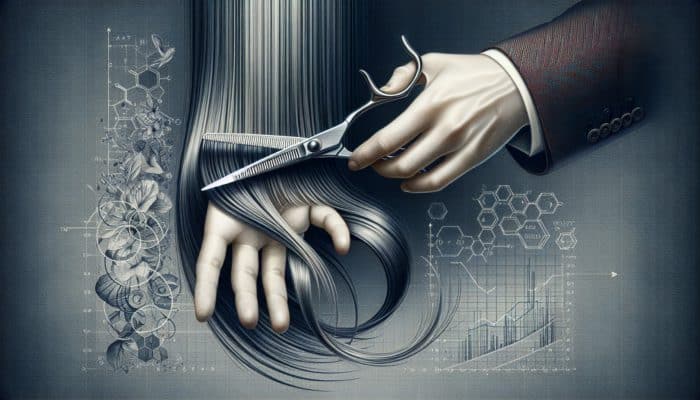
Point cutting is an essential hairstyling technique that utilises scissors to introduce texture and movement into the hair. This method focuses on using the tips of the scissors to create angled cuts at the ends of the hair, rather than blunt, straight cuts that can appear harsh. Mastering this technique requires maintaining precise control over the scissors to execute gentle and effective maneuvers. For those just starting out, perfecting the basic grip is a critical step—position your thumb within the handle while your fingers rest on the outside, providing stability and facilitating ease of movement.
For beginners, the following tools are essential:
- Professional hair scissors – specifically designed for cutting hair with precision.
- Texturising shears – ideal for adding extra texture as needed.
- A comb – crucial for sectioning hair and maintaining tension during cutting.
- A mirror – ensures visibility of angles and cuts for accuracy.
- Hair clips – useful for keeping sections organized and out of the way for easier cutting.
- A spray bottle – to dampen hair, improving manageability for cutting.
This foundational technique is crucial for achieving a natural finish in hairstyling. The angle at which you hold the scissors is fundamental; a 45-degree angle is typically optimal for most hair types. The primary objective is to craft soft, feathered ends that harmoniously blend into the overall hairstyle, enhancing its aesthetic appeal.
What Core Principles Are Necessary for Effective Point Cutting?
To execute point cutting successfully, focus on several key principles. First, comprehending the hair's texture and condition is vital. Different hair types may demand distinct approaches, and understanding the hair's natural fall and movement can lead to superior results. Precision is also essential; each cut needs to be intentional and controlled, ensuring that texture develops gradually instead of abruptly.
Another important principle is accurately sectioning the hair. Working in smaller sections enhances your control and allows for more precise cuts, ensuring that the desired texture is uniformly distributed. Maintaining a consistent angle while cutting is also critical, as it directly impacts the quality of the textured ends. Regularly practising these principles will yield professional results, greatly enhancing the stylist's confidence and skill set.
What Tools Are Indispensable for Successful Point Cutting?
To implement point cutting effectively, it’s essential to choose specific tools that enhance the technique's overall efficacy. The primary tool is a pair of sharp professional scissors. These scissors should be lightweight for easy handling yet robust enough to handle various hair types. Texturising shears are also beneficial, particularly for achieving distinct texture without compromising the hair’s integrity.
A quality comb is vital for sectioning hair and ensuring even tension during the cutting process. Opt for a comb with both wide and fine teeth to accommodate different hair textures. Additionally, hair clips are advantageous for sectioning the hair, keeping it organized, and providing a clear view of the cutting area. A spray bottle filled with water can assist in dampening the hair, making it easier to manage and cut accurately.
In conclusion, the combination of these tools—professional scissors, texturising shears, combs, clips, and a spray bottle—creates an ideal environment for performing point cutting effectively. Together, they facilitate precise angle control and layering, allowing for beautifully textured ends across various hair types.
How Does Point Cutting Enhance Layering Techniques?
What Makes Point Cutting the Preferred Approach for Layered Hairstyles?
Point cutting is especially advantageous for layering because it produces soft, blended ends that add depth and dimension to the hair. Unlike blunt cuts that may create harsh lines, point cutting introduces a natural-looking texture that enhances the overall hairstyle. This technique facilitates smooth transitions between various lengths, making it simpler to achieve a layered look that flows gracefully and moves beautifully with the hair.
The versatility of this technique allows it to be customised for different hair types, ranging from fine to thick. For fine hair, point cutting helps prevent heavy ends, resulting in a fuller appearance while preserving movement. In contrast, for thicker hair, this method reduces bulk while maintaining the integrity of the hairstyle. As a result, many hairstylists favour point cutting for its effectiveness in layering.
A key aspect of point cutting’s effectiveness lies in its controlled approach. By using the tips of the scissors and cutting at an angle, stylists can shape the hair effectively without causing frizz or damage. This technique also allows for personalised layering, enabling stylists to create unique looks tailored to individual preferences and hair types, ultimately enhancing client satisfaction.
What Steps Should You Take to Achieve Accurate Texturisation with Point Cutting?
To attain precise texturisation through point cutting, follow a clear series of steps. Begin by sectioning the hair into manageable parts. This organisation allows for careful attention to detail and control during the cutting process. Start with the lower layers, ensuring each section is combed through smoothly to eliminate tangles.
Next, hold the scissors at a 45-degree angle to the hair strands. With the tips of the scissors, delicately cut the ends of the hair in small, incremental motions. Maintaining a light touch is crucial—this technique helps to avoid excessive hair loss while still achieving the desired texture. Continue this method, working your way up through the sections of hair while ensuring that you maintain consistent tension and angle for a uniform outcome.
After completing the point cutting process, it’s important to review your work. Check for any uneven areas and make necessary adjustments. This final inspection guarantees a seamless blend and that the textured ends enhance the overall haircut beautifully. Remember, the goal is to create soft, feathered ends that promote movement and dimension throughout the hair.
What Different Point Cutting Techniques Can Lead to Varied Results?
The outcomes of various point-cutting techniques can differ significantly based on the stylist's approach and the hair type being addressed. For example, a more aggressive point cutting technique may yield more pronounced texture, adding volume and bounce to the hair. This method is especially beneficial for individuals with fine hair, as it eliminates weight and promotes a fuller appearance.
Conversely, a softer approach to point cutting produces a subtle texture, ideal for those seeking a more natural look. This technique tends to blend seamlessly with the rest of the hair, creating a gentle transition that enhances the overall style without being overly dramatic. Stylists can adjust the intensity of the point-cutting technique to achieve the desired final result, allowing for a high degree of customisation.
Moreover, the outcome is influenced by the angle and depth at which the scissors are applied. For clients desiring a more edgy, contemporary look, deeper point cuts may create sharp, distinct layers. In contrast, shallower cuts can provide a softer, more romantic vibe. By understanding the effects of different point-cutting techniques, stylists can tailor their approach to meet each client's unique needs and preferences, resulting in beautifully textured, dynamic hairstyles.
Expert Techniques for Mastering Point Cutting for Beautifully Textured Ends
What Advanced Approaches Can Enhance Your Point Cutting Outcomes?
Mastering point cutting requires not only consistent practice but also an understanding of advanced strategies that can elevate your results to a professional standard. One effective approach is to adjust the cutting angle based on the hair's natural movement. For instance, cutting along the hair's natural fall can enhance flow and create a more organic appearance.
Another advanced technique involves incorporating varied scissor movements. Instead of making standard cuts, stylists can utilise a sliding motion to remove weight while gradually creating texture. This method helps to maintain length while adding dimension, making it suitable for clients who prefer a fuller look without compromising their hair's natural integrity.
Additionally, experimenting with the depth of the cuts can yield impressive outcomes. Deeper point cuts can create a more dramatic texture, ideal for thicker hair, while shallower cuts provide a subtler finish. By adjusting the depth based on the client’s hair type and styling preferences, stylists can achieve tailored, professional results that cater to individual needs.
Lastly, regular feedback from clients can guide stylists in refining their techniques. Observing how clients manage their styles post-appointment and adjusting methods based on their feedback fosters a stronger stylist-client relationship and ensures ongoing satisfaction with the results.
How Can You Effectively Combine Point Cutting with Other Cutting Techniques?
Integrating point cutting with other cutting methods can significantly enhance a hairstyle's versatility and overall appearance. For instance, combining point cutting with blunt cutting techniques creates a well-structured base while retaining the softness that point cutting provides. This combination can result in hairstyles that are both defined and fluid, appealing to a broad spectrum of clients.
Another effective strategy is to layer point cutting with texturising shears. This combination enhances texture while decreasing bulk, particularly in thicker hair types. Using texturising shears after point cutting can further refine the style, allowing for greater movement and flow, which is essential for contemporary hairstyles.
Moreover, incorporating techniques such as slide cutting can effectively complement point cutting. Slide cutting involves gliding the scissors along the hair shaft, which can help create seamless layers that blend beautifully with the textured ends achieved through point cutting. This integration not only enhances visual appeal but also promotes healthier hair by minimising damage.
Ultimately, the key to effectively integrating point cutting with other techniques lies in maintaining clear communication with clients about their desired outcomes. Understanding their preferences and needs allows stylists to create a cohesive look that blends various cutting methods harmoniously, resulting in a more polished and customised final appearance.
What Maintenance Tips Do Professionals Recommend for Textured Ends?
Maintaining the integrity and style of textured ends created through point cutting requires several expert-recommended strategies. Firstly, using the right products is essential. Incorporating lightweight styling products, such as leave-in conditioners or texturising sprays, helps preserve the natural texture without adding heaviness. These products offer a flexible hold that keeps the hair looking vibrant and healthy.
Scheduling regular trims plays a crucial role in maintaining textured ends. Clients should aim for touch-up appointments every 6-8 weeks to sustain the texture and prevent split ends. During these visits, stylists can assess the hair's health and make any necessary adjustments to the texture, ensuring it continues to look fresh and well-maintained.
Additionally, specialists recommend practising good hair care routines at home. This includes using sulfate-free shampoos and conditioners to prevent stripping the hair’s natural oils, which supports overall health and longevity. Advising clients to avoid excessive heat styling and to use heat protectants during styling can also significantly contribute to maintaining the beauty of textured ends.
Finally, educating clients on how to style their textured ends effectively empowers them to achieve desired looks at home. Sharing styling techniques and recommending appropriate tools can boost their confidence and ability to maintain their style between salon visits. Overall, these expert maintenance tips help keep textured ends looking their best long after the initial point cutting.
What Benefits Do Textured Ends Provide for Your Hair?
How Does Adding Texture to Hair Enhance Volume?
Textured ends significantly contribute to enhancing hair volume. By removing excess weight from the ends, textured cutting techniques create the illusion of fuller, bouncier hair. This is particularly advantageous for individuals with fine or limp hair, as textured ends introduce movement and body, transforming the overall appearance of the hair.
Aside from increasing volume, textured ends provide greater styling versatility. The added movement creates a dynamic look, making it easier to achieve styles such as waves or curls that require some texture to maintain their shape. The outcome is hair that not only appears more voluminous but also possesses a naturally flowing quality, enhancing its overall aesthetic appeal.
Moreover, the way textured ends interact with light can further elevate the perception of volume. The varied lengths created by point cutting reflect light differently, adding dimension and depth to the overall look. This interplay of light and texture can make hair appear healthier and more vibrant, appealing to clients in search of both volume and a polished finish.
What Unique Advantages Do Textured Ends Offer for Various Hair Types?
Textured ends deliver distinct advantages for different hair types, providing tailored results that cater to individual needs. For fine hair, point cutting effectively reduces weight and bulk without sacrificing length. This technique enhances fullness and bounce, allowing for hairstyles that appear more voluminous and lively. Clients with fine hair frequently find that textured ends create a fuller look, making their hair easier to manage and style.
Conversely, textured ends benefit thick hair by eliminating excess bulk while preserving the hair's natural integrity. This reduction in weight helps prevent hair from becoming heavy and unmanageable, simplifying the styling process. Textured ends provide movement and flow, ensuring thick hair maintains its shape while offering diverse styling options.
Curly hair also greatly benefits from point cutting. Textured ends help enhance the natural curl pattern, allowing curls to bounce and flow freely. By strategically removing weight, stylists can prevent curls from appearing flat or lifeless, promoting a more dynamic look that showcases the beauty of natural curls.
Ultimately, the advantages of textured ends for different hair types lie in their ability to enhance volume, manageability, and overall aesthetic appeal. By understanding the unique properties of each hair type, stylists can tailor their techniques to maximise the benefits of textured cutting, resulting in satisfied clients and stunning hairstyles.
What Long-Term Styling Benefits Do Textured Ends Provide?
The long-term styling benefits associated with textured ends are considerable, making this technique a favourite among both hairstylists and clients. Textured ends offer a versatile styling palette, enabling a variety of looks with minimal effort. The natural movement created by point cutting simplifies styling, whether for effortless waves or intricate updos.
Moreover, textured ends can streamline daily styling routines. Clients can achieve polished looks without extensive heat styling, saving time and reducing potential hair damage. This ease of styling is particularly valuable for busy individuals who seek low-maintenance options without compromising aesthetics.
Furthermore, the durability of textured ends contributes to long-term styling success. With less weight at the ends, hair is less susceptible to breakage and split ends, promoting overall health and resilience. This allows clients to enjoy their styles for longer periods without frequent trips to the salon for maintenance.
In summary, the benefits of textured ends extend beyond immediate aesthetics. They provide clients with lasting styling options, significantly enhancing the manageability and health of the hair. This results in an ongoing relationship with hairstylists, as satisfied clients often return for further services to maintain their textured looks.
How Do Textured Ends Expand Everyday Styling Options?
Textured ends provide a multitude of versatile styling options for various occasions. The freedom of movement and dimension that accompanies textured ends enables individuals to effortlessly create looks ranging from casual beach waves to sophisticated updos. This adaptability is particularly beneficial for those with busy lifestyles, allowing for quick yet polished results without a significant time investment.
One of the key advantages of having textured ends is the ease of achieving heat-free styles. For instance, simply applying a texturising spray to damp hair and scrunching it can yield beautiful, natural waves, providing a stylish appearance without the need for heat styling tools. This not only saves time during morning routines but also promotes healthier hair by reducing exposure to damaging high temperatures.
Moreover, textured ends are conducive to creative styling techniques. Hair can be twisted, pinned, or braided easily, allowing for intricate styles that hold their shape throughout the day. Such versatility proves invaluable for various occasions, whether in a professional setting, a casual outing, or a formal event.
In essence, textured ends enrich everyday styling options, offering a range of effortless, chic looks. This flexibility accommodates busy schedules while supporting a healthier approach to styling, helping clients maintain a polished appearance throughout their daily lives.
How Do Textured Ends Contribute to Hair Health and Longevity?
Maintaining textured ends not only enhances style but also significantly contributes to hair health and longevity. By promoting an even distribution of weight along hair strands, textured ends can help prevent split ends and breakage, common concerns that lead to unhealthy hair. This technique encourages stronger hair growth and supports overall vitality.
Furthermore, the strategic removal of bulk through point cutting can enhance the hair's moisture retention. Healthier hair is better equipped to withstand environmental stressors and styling practices, leading to reduced damage over time. As a result, clients can enjoy vibrant, resilient hairstyles without frequent trims or extensive maintenance.
Additionally, the aesthetic advantages of textured ends contribute to a client's confidence and self-esteem. Healthy-looking hair reflects vitality, and the appearance of well-maintained textured ends can boost an individual’s overall sense of well-being. This reinforces the importance of adopting techniques that not only enhance style but also promote long-term hair health.
In summary, promoting hair health and longevity through textured ends is a significant advantage. By minimising damage and supporting moisture retention, textured cutting techniques contribute to overall hair vitality, allowing clients to enjoy beautiful, healthy hair that lasts.
What Research-Based Benefits Support the Use of Point Cutting?
What Evidence Exists to Validate This Technique's Effectiveness?
Hairstylists favour point cutting for numerous evidence-backed reasons that underscore its effectiveness in enhancing hair texture. Research indicates that techniques like point cutting can significantly improve hair elasticity, reducing the likelihood of breakage. This is attributed to the way the hair is cut; the angled cuts create softer edges that distribute tension more evenly along the strands, thereby minimising stress points.
Moreover, studies have shown that point cutting helps to maintain the hair's natural oils, promoting overall health and shine. By removing weight without compromising length, clients can enjoy healthier-looking hair while still achieving the desired texture. This balance between aesthetics and hair health is a major advantage, making point cutting a preferred technique among professionals.
Additionally, point cutting has been linked to greater client satisfaction. Surveys within the hairstyling community reveal that clients who opt for textured styles often report feeling more confident and satisfied with their appearance. This psychological benefit reinforces the importance of employing techniques like point cutting, as it combines physical enhancements with positive emotional outcomes.
How Does Point Cutting Support Long-Term Hair Health?
In terms of long-term hair health, point cutting has been recognised for fostering a healthier hair environment. By creating textured ends, this technique can help diminish the frequency of trims required to maintain hair integrity. Clients often notice they can go longer between salon visits because textured ends reduce split ends and breakage.
Moreover, the gentle nature of point cutting allows for retaining hair length while still achieving the desired texture. This promotes healthier growth cycles, as hair is less likely to become damaged or weighed down. Consequently, clients can enjoy longer, stronger hair that maintains its vitality over time.
Additionally, the overall aesthetic appeal of textured ends encourages clients to adopt healthier hair care routines. With beautiful, well-maintained hair, individuals are more likely to invest in high-quality hair products and treatments that further support their hair health. This creates a positive feedback loop where the benefits of point cutting contribute to a lifestyle focused on maintaining optimum hair health.
What Comparative Advantages Does Point Cutting Have Over Traditional Methods?
When comparing point cutting to traditional blunt cutting methods, several advantages emerge, highlighting the efficacy of textured techniques. One primary benefit is the reduction of bulk without sacrificing length. Traditional blunt cuts can often leave hair looking flat and lifeless, while point cutting adds movement and dimension, invigorating the overall style.
Moreover, point cutting tends to create softer lines that blend more seamlessly with the natural hair texture. This is particularly crucial for individuals seeking modern, low-maintenance hairstyles that remain stylish between salon visits. The natural flow achieved through point cutting offers versatile styling options, catering to a broader audience with diverse hair types and preferences.
Furthermore, point cutting is associated with healthier hair outcomes. Research suggests that point cutting can improve hair's overall resilience, reducing the likelihood of split ends and breakage compared to traditional blunt cuts, which can leave ends more susceptible to damage. The lighter, more fluid nature of textured ends promotes a healthier appearance and feel, enhancing client satisfaction.
In summary, the comparative advantages of point cutting over traditional methods are evident. By fostering movement, reducing bulk, and promoting healthier hair, point cutting stands out as a superior technique that meets the evolving demands of today's haircutting landscape.
Why Should You Choose Point Cutting for Your Hairstyle?
What Factors Influence the Best Results from Point Cutting?
Several factors influence the effectiveness of point cutting, significantly shaping the results depending on the client's specific needs. One key element is hair density; thicker hair often requires careful cutting and texturing to avoid an overly bulky appearance, while finer hair benefits from gentler point cutting to enhance volume without sacrificing length.
The natural texture and type of hair also play a crucial role. Curls, waves, and straight hair all respond differently to point cutting techniques. Stylists must assess the hair's individual characteristics to determine the most effective approach to achieving the desired results.
Another factor is the client's lifestyle and styling preferences. Understanding how a client typically styles their hair daily can inform the depth and angle of the point cutting technique. For instance, someone who prefers low-maintenance styling may benefit from a more pronounced texture that requires less daily effort, while a client interested in versatility may opt for subtler texturisation.
By considering these factors—hair density, texture type, and lifestyle preferences—stylists can tailor their approach to ensure optimal results. This personalised strategy ultimately leads to greater client satisfaction and a more successful hairstyling experience.
What Customisation Options Are Available for Unique Hairstyles?
Customisation is one of the standout benefits of point cutting, allowing stylists to create unique looks tailored to each client's individual style and preferences. One effective way to achieve this is by varying the angle at which the scissors are held. For example, a steeper angle can create a more dramatic texture, while a shallower angle yields a softer look. This flexibility enables the creation of bespoke styles tailored to specific needs.
Additionally, integrating colour techniques with point cutting can enhance the overall look. For instance, combining balayage with textured ends can create a stunning visual effect that highlights the hair's movement and dimension. This combination of cutting and colouring methods results in a multifaceted style that is uniquely appealing.
Another avenue for customisation lies in the use of various texturising tools. Stylists can incorporate razor cutting or thinning shears alongside point cutting to achieve distinctive textures that align perfectly with the client's desired outcome. This approach not only enhances overall aesthetics but also provides greater flexibility in styling options.
Ultimately, the ability to customise point cutting techniques ensures that each client leaves the salon with a look that truly reflects their personal style. By tailoring their approach to individual preferences, stylists can create unique cuts that resonate with their clients, fostering long-lasting relationships and repeat business.
What Indications Suggest That Point Cutting Might Be Ideal for You?
Identifying whether point cutting is the right fit for a client involves assessing several key indicators. Firstly, clients with hair that appears flat or lacks movement may benefit significantly from the texturising effects of point cutting. This technique can introduce bounce and body, transforming lifeless hair into a vibrant, flowing style.
Another sign that point cutting might be suitable is if the client desires versatility in their styling options. Those looking for a haircut that allows for various looks—from casual to formal—will find that textured ends provide the flexibility needed to achieve this. The ability to style textured hair in different ways enhances its adaptability for various occasions, making it a popular choice.
Additionally, clients experiencing split ends or breakage may find that point cutting effectively addresses these concerns. By removing excess weight and creating softer ends, point cutting can help mitigate damage and promote healthier hair overall. This makes it an appealing option for those seeking to improve their hair's integrity while still achieving stylish results.
In summary, recognising these signs—flat hair, a desire for versatility, and concerns about damage—can help both clients and stylists determine whether point cutting is the right choice. By understanding each client's unique needs, stylists can foster better relationships and provide tailored solutions that leave clients satisfied with their hairstyles.
What Tips Can Help You Master the Art of Point Cutting?
What Essential Practice Routines Should You Follow to Develop Your Point Cutting Skills?
Mastering point cutting requires consistent practice and a deliberate approach to developing your technique. One effective practice routine involves setting aside dedicated time to work on controlled cuts using a mannequin head or practice hair. Concentrate on perfecting the grip and angle of the scissors, beginning with small sections of hair and gradually advancing to larger ones.
Start with basic cuts, focusing on achieving a consistent angle and depth. Over time, increase the complexity of the cuts, experimenting with different angles and styles to develop versatility. Incorporating timed drills can also enhance your speed and accuracy, encouraging efficient cutting without sacrificing quality.
Additionally, utilising video tutorials or attending workshops can provide valuable insights from seasoned professionals. Observing various techniques and styles can inspire new ideas and deepen your understanding of the fundamentals. Pairing visual learning with hands-on practice fosters a well-rounded skill set.
Incorporating these essential practice routines will significantly aid in developing your point-cutting skills, empowering you to achieve professional results with confidence.
How Can You Troubleshoot Common Challenges in Point Cutting?
Even seasoned stylists may face challenges when executing point cutting techniques. One common issue is uneven ends, which can result from inconsistent angles or pressure during cutting. To troubleshoot this, regularly assess the cut as you work, ensuring that each section maintains a uniform length. If unevenness is detected, adjust the scissors' angle and carefully refine the cut until the desired result is achieved.
Another challenge is the potential for frizz or damage caused by excessive cutting. It’s essential to strike a balance between texturisation and maintaining hair integrity. To avoid over-cutting, focus on making small, controlled cuts rather than aggressive snips. This method preserves hair health while still achieving the desired texture.
Lastly, stylists may struggle to meet client expectations. Clear communication is vital to ensure clients are satisfied with their style. Before cutting, engage in in-depth discussions about desired outcomes and present visual references to align expectations. This proactive approach can help mitigate misunderstandings and foster positive client relationships.
By addressing these common challenges with practical solutions, stylists can refine their point cutting techniques and achieve consistently successful results.
How Can Repetition Help Build Confidence in Your Point Cutting Skills?
Building confidence in point cutting comes from consistent practice and exposure to a variety of hair types and styles. Repetition is key; the more familiar stylists become with the techniques, the more comfortable they will feel executing them. Setting aside dedicated practice sessions—whether with mannequins or live models—allows stylists to hone their skills and develop muscle memory.
Additionally, seeking feedback from peers or mentors can significantly boost confidence. Constructive critiques can provide valuable insights into areas for improvement, while positive reinforcement fosters a sense of accomplishment. Engaging in peer reviews or collaborative practice sessions encourages a supportive environment where stylists can learn from one another.
Finally, celebrating small victories can help reinforce confidence. Recognising improvement in technique, client satisfaction, or creative outcomes can encourage continual growth and motivation. With time and dedication, building confidence through repetition will enable stylists to master point cutting and deliver exceptional results.
What Common Mistakes Should You Avoid in Point Cutting?
How Does Over-Cutting Affect the Outcome of Your Work?
Overcutting is a frequent mistake in point cutting that can lead to frizz, uneven texture, and overall hair damage. When too much length is removed, the hair loses its structural integrity, resulting in blunt ends rather than the desired soft, feathered appearance. This not only impacts the immediate look but can also hinder the hair's ability to be styled effectively.
To avoid over-cutting, stylists should focus on making small, controlled cuts instead of aggressive snips. Regularly evaluating the hair's response to the cut is essential; if frizz or unevenness becomes apparent, adjustments should be made promptly. Developing a keen eye for detail and understanding the threshold of hair length and texture will help prevent over-cutting, leading to healthier, more manageable styles.
What Pitfalls Should You Watch Out for in Tool Selection and Handling?
Selecting the right tools and handling them correctly are crucial components of successful point cutting. One pitfall is using dull or inappropriate scissors, which can result in uneven cuts and increased strain on the hair. Stylists should invest in high-quality professional haircutting scissors to ensure they remain sharp for clean cuts.
Handling techniques also play a significant role in the outcome of point cutting. Maintaining the correct grip and angle while cutting is essential to achieving the desired texture. Poor handling can lead to awkward cuts or discomfort, resulting in mistakes. Regular practice of hair-cutting techniques will enhance overall confidence and precision in executing point cuts.
What Strategies Can Help Refine Your Approach Over Time?
Refining point-cutting techniques is an ongoing process, and several strategies can help stylists enhance their approach over time. Firstly, keeping a journal or portfolio of styles can help track progress and identify areas for improvement. Documenting each cut, along with specific techniques used, allows for reflection and analysis of what works best for different hair types and styles.
Continuing education is also pivotal. Regular attendance at workshops, classes, or industry events can expose stylists to new trends, techniques, and tools. This commitment to growth fosters adaptability and innovation within their craft.
Lastly, seeking mentorship or collaboration with experienced stylists can provide invaluable insights. Observing and discussing different approaches to point cutting can inspire new ideas and methods, enhancing overall practice. By committing to these strategies, stylists can continuously refine their point cutting skills and remain at the forefront of the industry.
What Risks Are Associated with Inadequate Preparation?
Inadequate preparation can lead to a range of challenges during the point cutting process. Failing to assess the hair's condition, texture, and client preferences may result in unsatisfactory outcomes. It is essential to conduct thorough consultations and evaluations before initiating any cutting techniques.
Additionally, neglecting to prepare the necessary tools and workspace can hinder the cutting process. Ensure all tools are organised and within reach to facilitate a smooth workflow. Preparing the hair by thoroughly detangling and dampening it can also promote more accurate cuts. These small yet critical steps significantly influence the final results, ensuring a successful and efficient point-cutting experience.
Frequently Asked Questions
What Is Point Cutting?
Point cutting is a hairstyling technique that involves using the tips of scissors to create texture and movement in the hair, resulting in soft, feathered ends.
How Does Point Cutting Differ from Traditional Cutting?
Unlike traditional blunt cutting, which creates straight, sharp lines, point cutting introduces texture and dimension by cutting at angles, resulting in softer, more natural-looking ends.
Is Point Cutting Suitable for All Hair Types?
Yes, point cutting is versatile and can be adapted for various hair types, including fine, thick, curly, and straight hair, enhancing texture and movement.
How Often Should I Get a Point Cut?
Typically, clients should schedule touch-up appointments every 6-8 weeks to maintain the desired texture and prevent split ends.
Can Point Cutting Help with Frizz?
Yes, point cutting can help minimise frizz by removing excess weight, creating softer ends that allow the hair to move more freely and reduce tension.
What Tools Are Required for Point Cutting?
Essential tools for point cutting include professional hair scissors, texturising shears, a comb, hair clips, and a spray bottle for dampening hair.
How Can I Maintain My Textured Ends?
To maintain textured ends, use lightweight styling products, schedule regular trims, and adopt a gentle hair care routine that includes hydrating shampoos and conditioners.
Can I Style My Hair Differently with Textured Ends?
Absolutely! Textured ends offer versatility, allowing you to style in waves, curls, or elegant updos, enhancing your overall look.
Is Point Cutting a Long-Lasting Style?
Yes, point cutting creates durable, textured ends that can maintain their shape and movement for weeks, contributing to a longer-lasting hairstyle.
What Should I Discuss with My Stylist About Cutting?
Before point cutting, discuss your hair type, desired length, and styling preferences with your stylist to ensure the technique aligns with your goals and expectations.
Join us on Facebook for more updates!
The Article: Employing Point Cutting for Textured Ends: Tips and Tricks appeared first on Amitys Hair Salon.
The Article Point Cutting for Textured Ends: Essential Tips and Tricks Was Found On https://limitsofstrategy.com