Excel in Trading During Sideways Markets to Maximise Your Profits
Understanding the Fundamental Principles of Sideways Trading
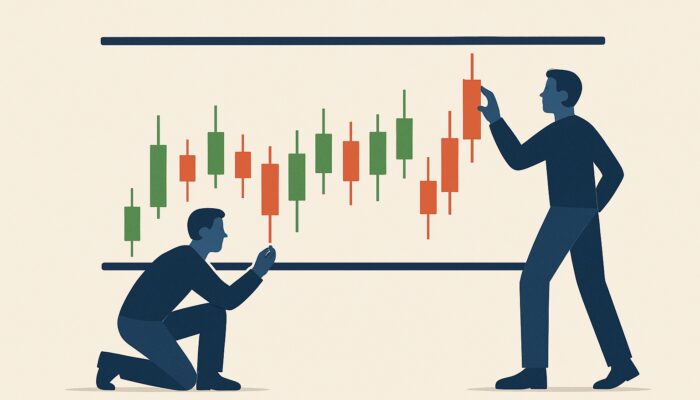
Sideways market trading occurs when asset prices move within a limited range, lacking any clear upward or downward trends. This environment presents traders with opportunities to strategically leverage support and resistance levels. By acquiring assets at the lower end of the range and selling them at the upper end, traders can benefit from these price fluctuations. Success in this trading style requires discipline and vigilance, allowing traders to remain adaptable to changing market conditions and seize opportunities as they emerge.
For traders to prosper in sideways markets, it is crucial to comprehend the importance of price fluctuations. These fluctuations typically stem from a balance between buying and selling pressures, resulting in consolidation periods where price movements are minimal. Although this can be discouraging for those who depend on trends, traders who understand the nuances of sideways trading can identify lucrative opportunities by exploiting the predictable price movements within established boundaries, thereby enhancing their trading strategies.
Traders must recognise that while sideways markets can yield consistent returns, they come with unique challenges. Market sentiment can change unexpectedly, leading to false breakouts and sudden volatility spikes. Developing a comprehensive trading plan that incorporates effective risk management strategies is vital for protecting against potential losses while capitalising on the benefits of trading in range-bound scenarios.
Essential Tools for Successfully Navigating Sideways Markets
Traders use a variety of crucial tools to adeptly navigate the complexities of sideways market conditions. Chart patterns such as rectangles and triangles are invaluable for identifying consolidation phases. These patterns help traders clearly visualise price ranges, which aids in making informed decisions regarding entry and exit points. Volume analysis is equally important, as it provides insight into the strength of price movements. A low trading volume during sideways markets may suggest a lack of conviction, while an increase in volume can indicate an impending breakout.
Technical indicators further enhance a trader's ability to identify and capitalise on opportunities in sideways markets. Tools such as the Relative Strength Index (RSI) and Stochastic Oscillator help traders assess whether assets are overbought or oversold within their defined ranges. By combining these indicators with comprehensive price action analysis, traders gain deeper insights into market dynamics, empowering them to make informed and strategic trading decisions.
Traders may consider employing automated trading systems that execute trades based on pre-set criteria. Such systems can eliminate emotional decision-making and ensure prompt trade execution, particularly in fast-moving markets. By merging technology with traditional analytical methods, traders can improve their effectiveness in navigating the complexities of sideways market trading.
What Preparations Are Essential for Achieving Trading Success?
Thorough preparation is vital for excelling in the sphere of sideways market trading. Traders should begin by analysing historical charts to identify previous consolidation patterns and price ranges. This analysis equips traders with insights to forecast future price movements and establish realistic trading expectations. Setting clear entry and exit rules based on historical data significantly enhances trading outcomes in range-bound environments.
Effective position size management is also critical. Given the unpredictable nature of sideways markets, it is essential to avoid excessive risk exposure. By adhering to strict position sizing guidelines, traders can minimise potential losses and ensure they can endure extended periods of consolidation without jeopardising their trading accounts.
Traders must commit to ongoing education regarding market conditions and evolving strategies. Staying informed about global economic events, news releases, and factors that may influence market behaviour is crucial. This continuous learning process enables traders to adapt their strategies as required, maintaining a competitive edge in the ever-changing trading landscape.
How Can Traders Identify Market Risks in Sideways Trading?

Comprehending the risks associated with sideways market trading is crucial for achieving long-term success. One major risk involves encountering false signals, which can lead traders to make impulsive decisions based on misleading price movements. Such whipsaws can quickly deplete profits, underscoring the necessity for traders to implement robust risk management techniques to safeguard their capital.
The psychological pressure of trading in a sideways market can be considerable. The lack of clear direction may result in frustration and emotional decision-making, leading to overtrading or deviation from established strategies. Upholding discipline and adherence to a well-defined trading plan is essential for managing these psychological challenges and ensuring consistent trading performance.
Traders must also be vigilant regarding liquidity risks that can emerge in sideways markets. Reduced trading activity may lead to wider bid-ask spreads, complicating the execution of larger orders at favourable prices. Increased slippage can adversely affect overall profitability, especially for traders who rely on precise entry and exit points. Awareness of these risks and the implementation of suitable strategies can enable traders to navigate sideways markets more effectively.
Identifying Key Indicators for Successful Sideways Market Trading
Leveraging Bollinger Bands for Enhanced Market Insights
Bollinger Bands serve as an essential tool for identifying potential sideways market conditions. These bands consist of a simple moving average (SMA) and two standard deviation lines that create upper and lower boundaries around price action. When the bands contract, it indicates a decrease in volatility, often signalling an approaching consolidation phase. Traders can utilise this information to predict sideways price movements and adjust their strategies accordingly.
In sideways markets, prices typically oscillate between the upper and lower Bollinger Bands. Traders can adopt range trading strategies by buying near the lower band and selling near the upper band. This method enables them to profit from predictable price fluctuations within the designated range. Vigilance is crucial for identifying potential breakouts, as sudden price movements may occur once volatility returns.
Bollinger Bands also act as a risk management tool. By observing price interactions with the bands, traders can strategically position stop-loss orders. For example, placing a stop-loss just beyond the bands can protect against unforeseen price movements while still allowing for potential gains within the range.
Grasping the Concept of Moving Average Convergence
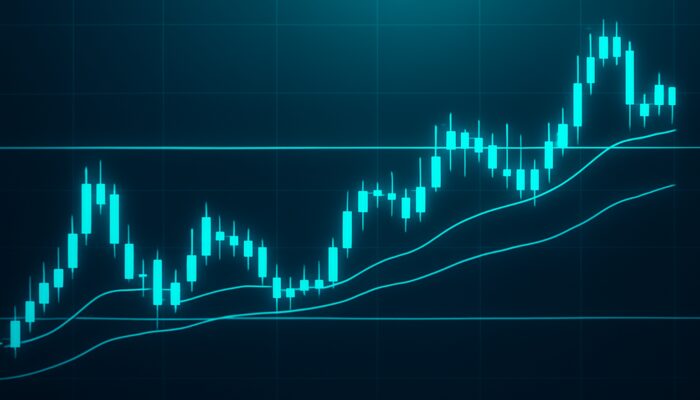
Moving average convergence acts as another vital indicator for traders engaged in sideways markets. When moving averages flatten, it signifies a lack of trend momentum, a characteristic of consolidation phases. Traders closely observe these flat moving averages to identify potential entry and exit points within defined price boundaries.
In a sideways market, opportunities may arise to buy near the lower range as prices approach a flat moving average. Conversely, selling near the upper range can be beneficial when prices approach the same moving average. This strategy allows traders to exploit predictable price oscillations that occur within the established limits.
Integrating moving averages with other technical indicators can enhance decision-making. For instance, employing both short-term and long-term moving averages can provide valuable insights into potential reversals or continuations within the range. By analysing these signals collectively, traders can make more informed decisions and improve their overall trading performance.
Benefits of Consistent Application of Trading Indicators
- Enhanced ability to recognise consolidation phases.
- Improved timing for entry and exit decisions.
- Greater awareness of market volatility trends.
- More effective risk management through strategic stop-loss placements.
- Clear visual representation of price action dynamics.
How Does Trading in Sideways Markets Operate?
Identifying Price Ranges for Strategic Trading
Recognising price ranges is fundamental to effective sideways market trading. Traders seek horizontal channels where prices fluctuate between established support and resistance levels. Understanding these boundaries empowers traders to anticipate potential rebounds off the support level and selling opportunities near the resistance. This knowledge enables them to maintain their positions only while consolidation persists, avoiding premature exits.
To identify these ranges, traders often analyse historical price movements and look for patterns indicating repeated interactions with specific price levels. Once a range is established, traders can employ various technical indicators to validate the identified support and resistance levels. This confirmation ensures that trades are executed based on sound analysis rather than mere speculation.
Remaining vigilant for breakout signals is crucial. While trading within the range can be profitable, unexpected price movements beyond the established boundaries can result in losses if traders are unprepared. A flexible mindset and readiness to adapt to changing market conditions are essential for achieving sustained success in sideways market trading.
Strategic Order Placement Techniques
Strategic order placement is essential in sideways market trading. Limit orders are particularly beneficial, allowing traders to enter positions at predetermined price levels, which enhances precision and minimises slippage risks. By setting limit orders at support or resistance levels, traders can capitalise on price reversals while lessening the impact of sudden market fluctuations.
For limit orders, traders may explore the use of conditional orders to refine their execution strategies. For instance, a trader might set a buy limit order at a specific support level and a sell limit order at the corresponding resistance level. This method ensures that trades are executed automatically when the price reaches desired levels, enabling traders to focus on other aspects of their trading strategies.
Traders should remain alert to the possibility of false breakouts during order execution. Implementing stop-loss orders is critical for mitigating this risk. By placing stop-loss orders just outside the established range, traders can protect their capital from unexpected price movements while still allowing for potential gains within the range.
Expert Tips for Timely Exits Within Defined Ranges
Timing exits within established ranges is crucial for successful sideways market trading. Traders should focus on identifying key price levels where reversal signals may occur. Monitoring price action near support and resistance levels can provide valuable insights into optimal exit points. For example, if prices approach resistance and show signs of weakness, it may be prudent to exit the position to secure profits.
Utilising technical indicators can significantly enhance exit timing. For instance, traders can track momentum indicators, such as the RSI, to assess whether an asset is overbought or oversold. If the RSI indicates overbought conditions near resistance, it may signal an opportunity to exit the trade before a potential reversal occurs.
Considering the overall market context when determining exit points is essential. External factors, such as economic news or geopolitical events, can considerably influence price movements and may necessitate adjustments to exit strategies. By merging technical analysis with a broader understanding of market dynamics, traders can improve their ability to time exits effectively within sideways markets.
Expert Insights on Mastering Sideways Market Trading
Achieving Proficiency in Pattern Recognition
Mastering pattern recognition is vital for success in sideways market trading. Traders should concentrate on identifying reliable formations that confirm sideways behaviour. Common patterns, such as rectangles, flags, and pennants, can indicate potential trading opportunities. By diligently practising pattern recognition, traders can improve their decision-making accuracy and respond more effectively to shifts in market conditions.
To strengthen pattern recognition skills, traders can analyse historical charts and document instances of successful trades based on specific patterns. Reviewing past scenarios enables traders to identify key characteristics of patterns that led to profitable outcomes. This practice not only builds confidence but also reinforces the importance of discipline in adhering to established trading plans.
Traders can benefit from using charting software that highlights potential patterns in real-time. By integrating these tools into their trading routines, traders can streamline their analysis and increase their chances of identifying profitable setups. Continuous practice and analysis are essential for mastering pattern recognition in the intricate world of sideways market trading.
Establishing Robust Risk Management Strategies
Implementing thorough risk management protocols is vital for protecting capital during extended periods of consolidation. A fundamental technique is position sizing, which involves determining the appropriate amount of capital to allocate to each trade based on overall account size and risk tolerance. By employing a consistent position sizing strategy, traders can mitigate the impact of losses and ensure long-term sustainability in their trading practices.
Real-world examples of position sizing strategies include the Kelly Criterion and the fixed fractional method. The Kelly Criterion calculates the optimal bet size based on the probability of winning and the odds presented. In contrast, the fixed fractional method allocates a consistent percentage of the trading account to each trade, ensuring that losses do not exceed a predetermined threshold.
Traders should set clear stop-loss levels for each trade. By strategically placing stop-loss orders at appropriate points, traders can protect their capital from significant drawdowns during sideways markets. This proactive approach to risk management helps ensure that traders remain active participants in the market without exposing themselves to excessive risk.
Addressing the Psychological Aspects of Trading
The psychological nuances of trading in sideways markets are often underestimated, yet they play a crucial role in overall success. Maintaining emotional control is essential to avoid overtrading, especially in markets that lack clear direction. Traders may feel compelled to execute numerous trades, leading to impulsive decisions that can erode account equity. Establishing a well-defined trading plan and adhering to it can counteract these psychological challenges.
Cultivating patience is vital for successfully navigating sideways markets. Traders must recognise that opportunities may not present themselves immediately. Waiting for confirmation signals and adhering to predefined entry and exit rules can lead to more successful outcomes. Practising mindfulness and self-discipline further enhances a trader’s ability to maintain focus and avoid emotional pitfalls.
Lastly, traders should integrate regular self-assessment into their routines. Reflecting on past trades, both successful and unsuccessful, can yield valuable insights into emotional triggers and decision-making patterns. By identifying areas for improvement, traders can cultivate a more resilient mindset and enhance their overall trading performance in sideways markets.
What Risks Are Associated with Sideways Market Trading?
Analysing the Impact of False Breakout Signals
False breakout signals present a significant risk in sideways market trading. These unanticipated price movements beyond established ranges can lead to losses if traders are unprepared. False breakouts often stem from sudden shifts in market sentiment, highlighting the necessity of vigilance and close monitoring of price action to avoid unnecessary losses.
To mitigate the risk of false signals, traders should strategically implement stop-loss orders. Placing stop-loss orders just outside the established range can help safeguard capital from unforeseen price movements. Utilising confirmation signals from technical indicators can provide additional assurance before entering trades based on breakout scenarios.
Maintaining a flexible approach is also essential. Traders must be prepared to adapt their strategies based on evolving market conditions. If a breakout occurs, reassessing the situation and modifying trading plans accordingly may be necessary. This adaptability can assist traders in effectively navigating the challenges posed by false breakout signals and minimising potential losses.
Evaluating Opportunity Costs in Trading
Opportunity costs are a crucial consideration in sideways market trading. Capital tied up in range-bound assets may lead to missed opportunities in more robust trends elsewhere. Traders must weigh the potential benefits of trading within a sideways market against the risks of pursuing more lucrative opportunities in trending environments.
Diversification emerges as a key strategy for mitigating opportunity costs. By spreading capital across various assets and market conditions, traders can reduce the risk of missing profitable trades. This approach allows traders to maintain exposure to sideways markets while still capitalising on potential gains in trending environments.
Traders should regularly assess their portfolios and adapt their strategies based on shifting market conditions. By reviewing performance and reallocating capital as necessary, traders can remain agile and responsive to emerging opportunities, ultimately enhancing overall portfolio balance and performance.
What Role Does Volume Play in Sideways Markets?
Volume is a vital factor in sideways market trading, as low trading volume frequently accompanies periods of consolidation. When trading activity diminishes, it can lead to erratic price movements that challenge even seasoned participants. Understanding the relationship between volume and price action is crucial for making effective decisions in sideways markets.
Low volume during sideways markets may signal a lack of conviction among traders, complicating the identification of reliable trading signals. Traders should exercise caution when executing trades in low-volume environments, as sudden price spikes can occur unexpectedly. Monitoring volume trends alongside price action can provide valuable insights into potential market shifts and guide trading decisions.
Conversely, rising volume can suggest the potential for a breakout from a sideways market. When volume increases significantly, it often indicates that market participants are becoming more engaged, which can lead to decisive price movements. Traders should stay vigilant for volume spikes, as these may offer critical confirmation of breakout signals and influence trading decisions.
Addressing Liquidity Challenges in Trading
Liquidity concerns escalate in sideways markets due to reduced trading activity. A decrease in trade volume can result in wider bid-ask spreads, complicating the execution of larger orders at favourable prices. This increased slippage can significantly impact overall transaction costs, eroding potential profits.
To navigate liquidity challenges, traders should consider adjusting their trading strategies. For example, focusing on smaller position sizes can help mitigate risks associated with wider spreads. Traders may also benefit from using limit orders to ensure that trades are executed at desired prices, thereby reducing the likelihood of unfavourable slippage.
Staying informed about market conditions and liquidity trends is equally essential. Traders should monitor economic events and news releases that may influence trading activity. By remaining aware of these factors, traders can make more informed decisions and adapt their strategies to effectively address liquidity concerns.
Effective Strategies for Navigating Sideways Markets
Implementing Range-Bound Entry Techniques
Executing range-bound entry strategies is crucial for success in sideways market trading. Traders should confirm multiple interactions at established support and resistance levels before committing capital. This confirmation enhances the reliability of each setup, enabling traders to capitalise on predictable price movements within the defined range.
To execute range-bound entries effectively, traders can utilise technical indicators to validate their decisions. For instance, observing price action alongside the RSI can provide insights into whether an asset is overbought or oversold near key levels. This combination of technical analysis and price action can facilitate more informed entry points, thereby improving overall trading success.
Traders should consider employing limit orders to enhance precision when entering trades. By setting limit orders at specific price levels, traders can improve their chances of executing trades at optimal points within the range. This approach reduces the impact of slippage and increases the likelihood of successful entries.
Exploring Effective Scaling Techniques
Scaling techniques are powerful strategies for traders looking to enhance their positions within established ranges. By gradually increasing winning positions, traders can benefit from favourable price movements while effectively managing risk. This method allows for greater exposure to profitable trades without overcommitting capital from the outset.
To implement scaling techniques effectively, traders should establish clear criteria for increasing their positions. For example, a trader might choose to add to a position after confirming a bounce off support or a breakout from resistance. This disciplined approach ensures that traders only increase their exposure when market conditions align with their trading strategy, fostering long-term profitability.
Tightening stops as positions become profitable is essential for progressively securing gains. By adjusting stop-loss orders to breakeven or trailing them behind profitable trades, traders can safeguard their capital while allowing for potential further upside. This combination of scaling and risk management can lead to more sustainable trading outcomes in sideways markets.
Key Advantages of Consistent Strategy Application
- Enhanced ability to profit from predictable price movements.
- Improved risk management through gradual position sizing.
- Increased overall profitability by progressively securing gains.
- Greater discipline in adhering to established trading plans.
Why Choose Sideways Market Trading as Your Preferred Strategy?
Benefits of Reduced Directional Bias in Trading
Opting for sideways market trading provides the advantage of reduced directional bias. This approach minimises exposure to abrupt trend reversals, allowing traders to focus on repeatable patterns that consistently arise across various instruments. By trading within established ranges, traders can profit from predictable price movements without the uncertainty associated with trending markets.
This strategy is particularly beneficial for traders who favour a more systematic approach. Rather than relying on the unpredictability of market sentiment, traders can develop a structured plan that effectively leverages support and resistance levels. This consistency fosters more reliable outcomes and boosts confidence in trading decisions.
Minimising directional bias also enables traders to explore multiple instruments simultaneously. By diversifying their trading opportunities across various assets, traders can enhance their overall performance while reducing risks associated with individual trades. This versatility is a significant advantage of engaging in sideways market trading.
Which Timeframes Are Most Effective for Sideways Trading?
Shorter timeframes often unveil more tradable ranges, making them ideal for sideways market trading. Day traders and scalpers can capitalise on the heightened frequency of price oscillations within established boundaries. This approach demands quick reactions and reliable data feeds to ensure optimal performance.
Traders should consider their unique trading styles and risk tolerance when selecting timeframes. While shorter timeframes provide more opportunities, they also require increased focus and discipline. Conversely, longer timeframes may offer a more relaxed trading environment but can result in fewer opportunities.
Ultimately, the optimal timeframe for engaging in sideways market trading depends on the trader’s goals and preferences. Experimenting with various timeframes can assist traders in determining which aligns best with their style and risk management strategies for optimal performance.
Assessing Profit Potential in Sideways Trading
The profit potential in sideways market trading can be substantial when approached effectively. Steady small gains can accumulate efficiently when compounded over numerous trades within stable conditions. By consistently capitalising on price oscillations, traders can gradually grow their accounts without relying solely on significant market movements.
To maximise profit potential, traders should prioritise maintaining a disciplined approach. Adhering to predefined entry and exit rules, managing risk effectively, and continuously refining strategies can lead to sustained profitability. This methodical approach allows traders to leverage the unique opportunities presented by sideways markets effectively.
Traders should regularly evaluate their performance and adjust their strategies as necessary. By analysing past trades and identifying areas for improvement, traders can enhance their overall effectiveness in sideways market trading. This ongoing assessment is crucial for achieving long-term success and maximising profitability.
Avoiding Common Pitfalls in Sideways Market Trading
Recognising the Dangers of Overleveraging Positions
Overleveraging positions is a common mistake that can have severe repercussions in sideways market trading. Excessive position sizes can amplify losses from minor fluctuations, making conservative sizing essential for survival during prolonged consolidations. Traders must prioritise risk management and ensure that their position sizes align with their overall risk tolerance to mitigate potential losses.
To avoid overleveraging, traders should establish clear guidelines for position sizing based on their account size and risk parameters. A common practice is to risk only a small percentage of the trading account on each trade, ensuring that even a series of losses won’t substantially impact overall capital.
Maintaining a disciplined approach to risk management is vital. Traders should routinely review their positions and adjust them as needed to avoid excessive exposure. By prioritising capital preservation, traders can navigate sideways markets more effectively, enhancing their long-term sustainability and success.
The Importance of Confirmation Signals in Trading Decisions
Ignoring confirmation signals is another critical error that can lead to frequent whipsaws in sideways market trading. Entering trades without validation from indicators can result in premature decisions, eroding account equity over time. Traders must prioritise confirmation signals to enhance their decision-making processes and improve overall performance.
To mitigate this risk, traders should develop a comprehensive trading plan that incorporates specific criteria for entering and exiting trades. Employing technical indicators, such as Bollinger Bands or moving averages, can provide valuable confirmation before executing trades. This disciplined approach ensures that trades are grounded in sound analysis rather than mere speculation.
Traders should exercise patience and wait for clear confirmation signals before entering positions. By adhering to predefined criteria and avoiding impulsive decisions, traders can enhance their overall trading performance and reduce the likelihood of unnecessary losses in sideways market trading.
Advantages of Comprehensive Backtesting Prior to Live Trading
- Increased confidence in trading strategies.
- Enhanced ability to identify strengths and weaknesses.
- Improved understanding of market dynamics.
- Greater likelihood of successful outcomes in live trading.
Frequently Asked Questions about Sideways Market Trading
What does sideways market trading involve?
Sideways market trading refers to a condition where asset prices fluctuate within a narrow range, lacking a definitive upward or downward trend. Traders leverage predictable price movements within established support and resistance levels to maximise profits.
How can I identify a sideways market?
Traders can recognise a sideways market by observing horizontal price movement within defined boundaries. Chart patterns like rectangles and triangles assist in effectively visualising these consolidation phases.
What tools are essential for effective sideways market trading?
Key tools include chart patterns, volume analysis, and technical indicators such as Bollinger Bands and moving averages. These tools help traders confirm consolidation phases and identify potential entry and exit points.
What risks accompany trading in sideways markets?
Risks include false breakout signals, opportunity costs from capital tied up in ranges, and liquidity issues that may lead to wider bid-ask spreads. Effective risk management is essential for mitigating these threats and ensuring successful trading.
How can I manage risk while trading in sideways markets?
Managing risk involves setting stop-loss orders, utilising appropriate position sizing, and adhering to a disciplined trading plan. Regular performance reviews can also enhance overall risk management strategies.
What is the optimal timeframe for sideways market trading?
Shorter timeframes often reveal more tradable ranges, making them ideal for day traders and scalpers. The best timeframe depends on individual trading styles, preferences, and risk tolerances.
How can I improve my pattern recognition skills?
Enhancing pattern recognition skills involves analysing historical charts, documenting past trades, and consistent practice. Utilising charting software that highlights potential patterns can also aid in developing these skills further.
What benefits do Bollinger Bands provide in sideways trading?
Bollinger Bands assist in detecting reduced volatility, signalling potential sideways conditions. They offer valuable insights into price movements, allowing traders to implement effective range trading tactics.
How can I determine the right moment to exit a trade in a sideways market?
Exiting a trade within a sideways market requires monitoring price action near established support and resistance levels. Employing technical indicators can also help assess whether conditions are favourable for exiting.
What common mistakes should I avoid while trading in sideways markets?
Common mistakes include overleveraging positions, neglecting confirmation signals, and failing to implement effective risk management. Avoiding these pitfalls can lead to improved trading performance and long-term success in sideways markets.
Join Our Facebook Community for More Insights!
The Article Key Strategies for Sideways Market Trading Explained Was Found On https://limitsofstrategy.com
The Article Sideways Market Trading: Key Strategies Explained found first on https://electroquench.com